

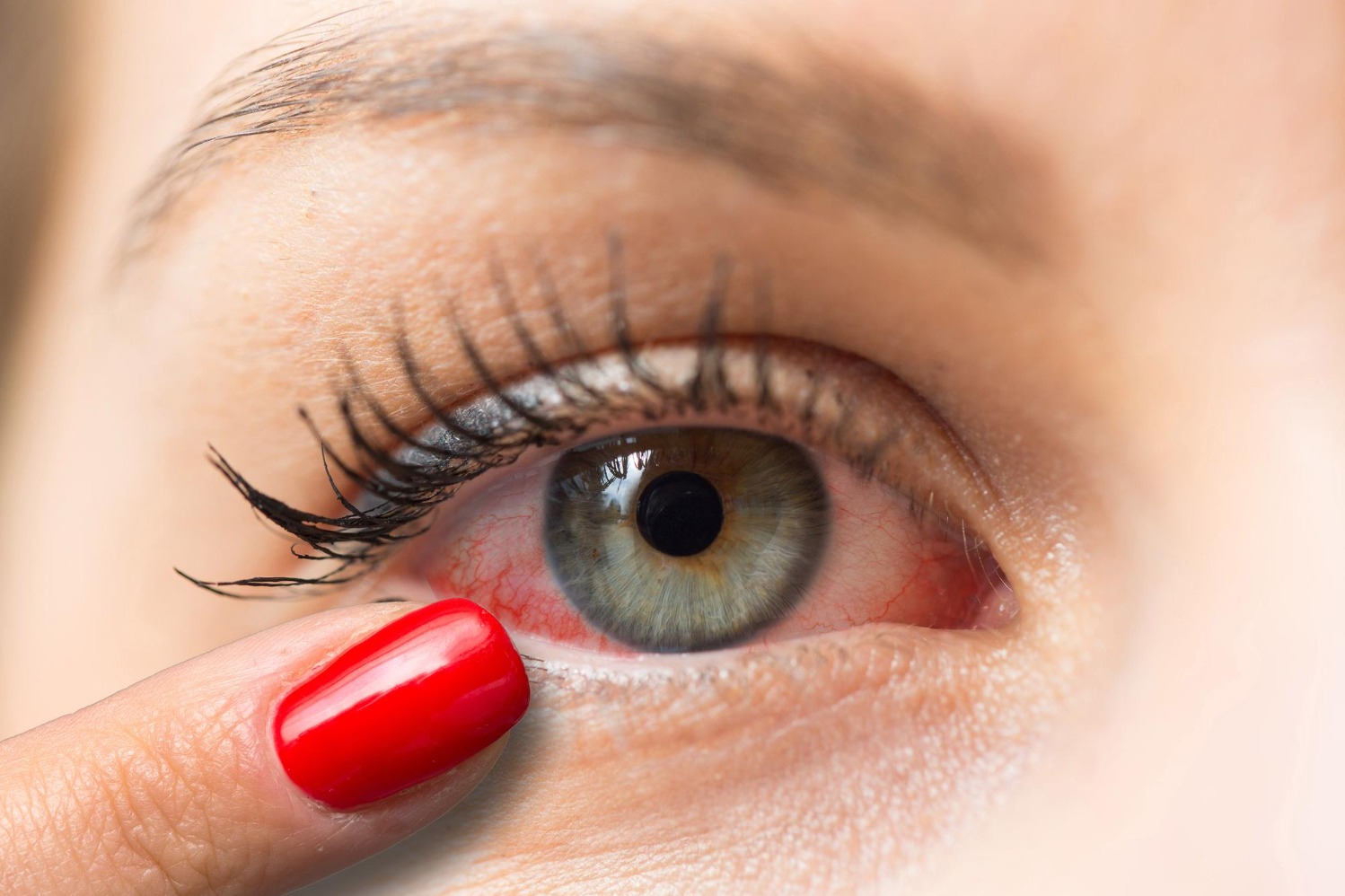
Burning, grittiness, watering, redness, and fluctuating vision are often dismissed as minor eye discomfort. Yet when these symptoms keep returning, especially after prolonged screen use, air-conditioned work, driving, or exposure to dust, they may indicate an underlying tear-film problem. Dry Eye Treatment is intended to identify why the eye surface is not staying adequately lubricated and determine an appropriate management approach.
People living and working in Thane, Maharashtra, may spend long hours using laptops and smartphones or commuting through environments with dust, pollution, and continuous airflow. These factors can aggravate existing dry eye symptoms, although they are not the only possible causes.
What Happens When the Eyes Become Dry
Healthy tears do more than make the eyes feel wet. The tear film protects the eye surface and helps maintain clear, comfortable vision. Dry eye can develop when the eyes do not produce enough tears or when tears evaporate too quickly.
Symptoms may include:
- Burning or stinging
- A sandy or gritty sensation
- Intermittent blurred vision
- Redness
- Sensitivity to light
- Eye fatigue
- Excessive watering
- Discomfort while wearing contact lenses
Surprisingly, watery eyes can sometimes accompany dryness because irritation may trigger reflex tearing.
Why Dry Eye Treatment Should Address the Cause
Simply using lubricating drops without understanding the cause may not provide adequate long-term symptom control. An ophthalmic evaluation can examine the eye surface, eyelids, tear quality, and other factors contributing to discomfort.
Treatment depends on the findings. Management may include lubricating eye drops, eyelid hygiene, lifestyle modifications, adjustments to screen habits, and other therapies recommended by the ophthalmologist.
Some patients also have meibomian gland dysfunction, in which the oil-producing glands along the eyelids do not function effectively. This can increase tear evaporation and may require a more targeted approach.
Daily Habits That Can Make a Difference
People with mild symptoms can pay attention to their daily environment. Taking regular screen breaks, blinking consciously during computer work, avoiding direct airflow from fans or air conditioners, staying adequately hydrated, and following proper contact-lens hygiene may improve comfort.
However, recurring symptoms deserve assessment rather than repeated self-treatment.
At Focus Eye Clinic, Dr. Mohini Modak can evaluate patients experiencing persistent eye dryness and related symptoms. An examination helps distinguish dry eye from conditions such as allergy, infection, eyelid problems, and other causes of ocular irritation.
Frequently Asked Questions About Dry Eyes
Can too much screen time cause dry eyes?
Extended screen use can contribute because people tend to blink less frequently while concentrating on digital devices.
Why do my eyes water when they are supposedly dry?
An irritated eye surface can stimulate reflex tears. These tears may not provide the stable lubrication required for lasting comfort.
Can dry eyes affect vision?
Yes. An unstable tear film can cause temporary fluctuations in visual clarity, particularly during reading and screen use.
Should I use any eye drop available at a pharmacy?
Different eye drops serve different purposes. Repeated symptoms are better evaluated before relying on frequent self-medication.
Persistent dryness is not simply about tolerating uncomfortable eyes. Understanding what is affecting the tear film allows treatment to be matched more closely to the underlying problem and the patient's daily visual demands.