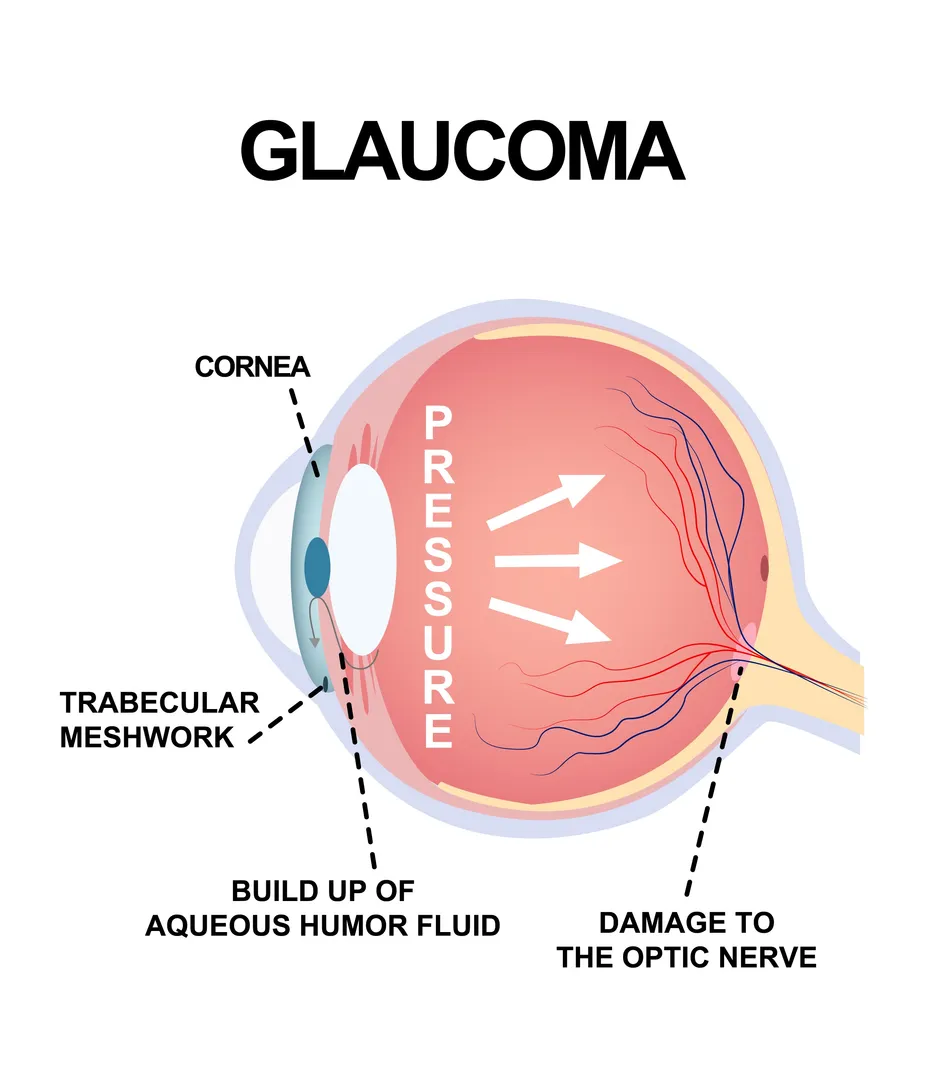
Glaucoma is a group of eye conditions associated with progressive damage to the optic nerve, which carries visual information from the eye to the brain. One reason glaucoma deserves attention is that some common forms can develop without obvious symptoms during their early stages.
This makes timely diagnosis and appropriate Glaucoma Treatment important for protecting remaining vision.
Why glaucoma can go unnoticed
Many people associate eye disease with pain, redness, or immediate blurred vision. Open-angle glaucoma, however, may not initially produce these warning signs.
Peripheral vision can gradually become affected while central vision remains relatively functional. Because the brain adapts to slow visual changes, a person may not recognise the problem until considerable damage has occurred.
Vision already lost because of glaucoma generally cannot be restored, which is why monitoring and treatment focus on reducing the risk of further damage.
Is high eye pressure the same as glaucoma
Not necessarily.
Raised intraocular pressure is an important glaucoma risk factor, but glaucoma diagnosis involves more than obtaining a single pressure reading. Some people have elevated eye pressure without optic nerve damage, while others can develop glaucoma even when pressure measurements are within statistically normal ranges.
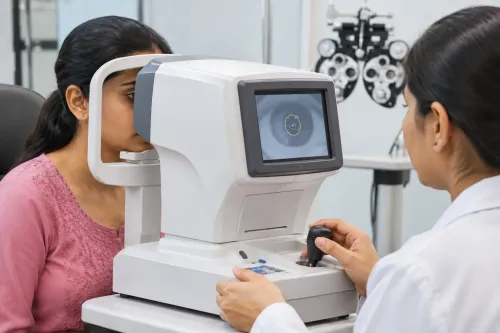
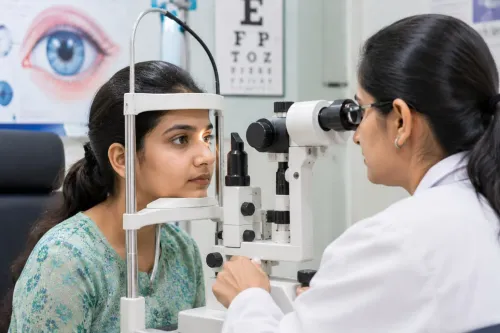
A glaucoma assessment may include:
- Intraocular pressure measurement
- Optic nerve examination
- Visual field testing
- Corneal thickness measurement when indicated
- Imaging of the optic nerve and retinal nerve fibre layer
- Examination of the drainage angle in selected cases
These findings are considered together before a diagnosis and management plan are established.
Who should be particularly attentive
Risk tends to increase with age, but glaucoma can affect younger individuals as well.
People may require closer assessment if they have:
- A family history of glaucoma
- Elevated eye pressure
- Diabetes or certain vascular conditions
- Previous eye injury
- Significant refractive error
- Long-term exposure to corticosteroids
- Previous findings involving the optic nerve
Regular eye examinations are particularly useful when several risk factors are present.
How glaucoma may be managed
Treatment depends on the type of glaucoma, eye pressure, optic nerve findings, rate of progression, and other individual factors.
Management can include prescription eye drops, laser procedures, surgery, or a combination of approaches. Follow-up examinations are essential because treatment effectiveness cannot always be judged by how the eye feels.
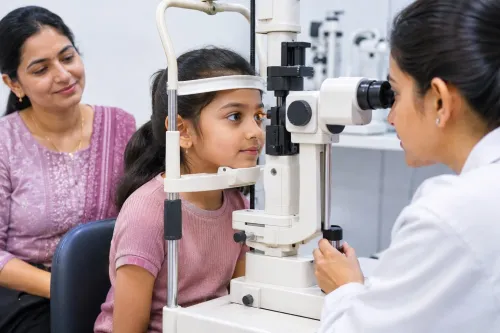
Dr. Mohini Modak at Focus Eye Clinic can evaluate glaucoma risk and determine which investigations may be appropriate based on individual findings.
Why follow-up is part of treatment
A glaucoma prescription is not the end of glaucoma care.
Eye pressure may need repeated measurement, while optic nerve imaging and visual field tests can help determine whether the condition remains stable. Medication technique and adherence may also be reviewed because inconsistent use can affect pressure control.
For patients in Thane and across Maharashtra, awareness is particularly valuable because glaucoma may remain silent for years.
An eye examination cannot guarantee that every future problem will be prevented, but it can help identify suspicious changes earlier. For people with glaucoma risk factors, regular monitoring creates an opportunity to detect progression and adjust management when necessary.
Keywords