Diabetes can affect different structures throughout the body, including the small blood vessels in the retina. One of the challenges is that early diabetic retinal changes may develop without causing noticeable problems with everyday eyesight.
A regular Diabetic Eye Checkup is therefore not simply a response to blurred vision. It is a preventive part of diabetes-related health monitoring.
For people living with diabetes in Thane and across Maharashtra, understanding what an eye examination looks for can make it easier to appreciate why eye monitoring may still be recommended when vision appears satisfactory.
How Diabetes Can Affect the Retina
The retina is the light-sensitive tissue at the back of the eye. Persistently elevated blood glucose levels can contribute to changes in retinal blood vessels.
Diabetic retinopathy can range from relatively early vascular changes to more advanced disease. In some people, fluid can affect the central retinal area responsible for detailed vision.
The important point is that retinal changes may be present before a person notices significant visual symptoms.
What Happens During an Eye Examination
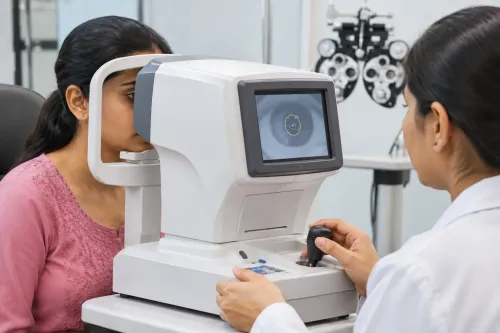
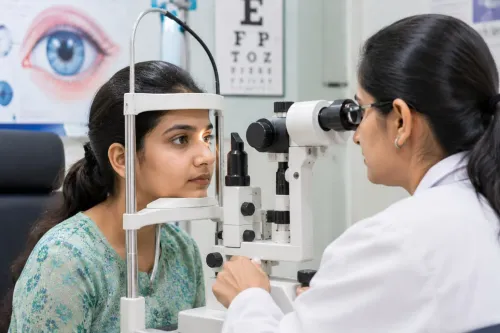
A diabetes-related eye assessment can involve more than reading letters from an eye chart.
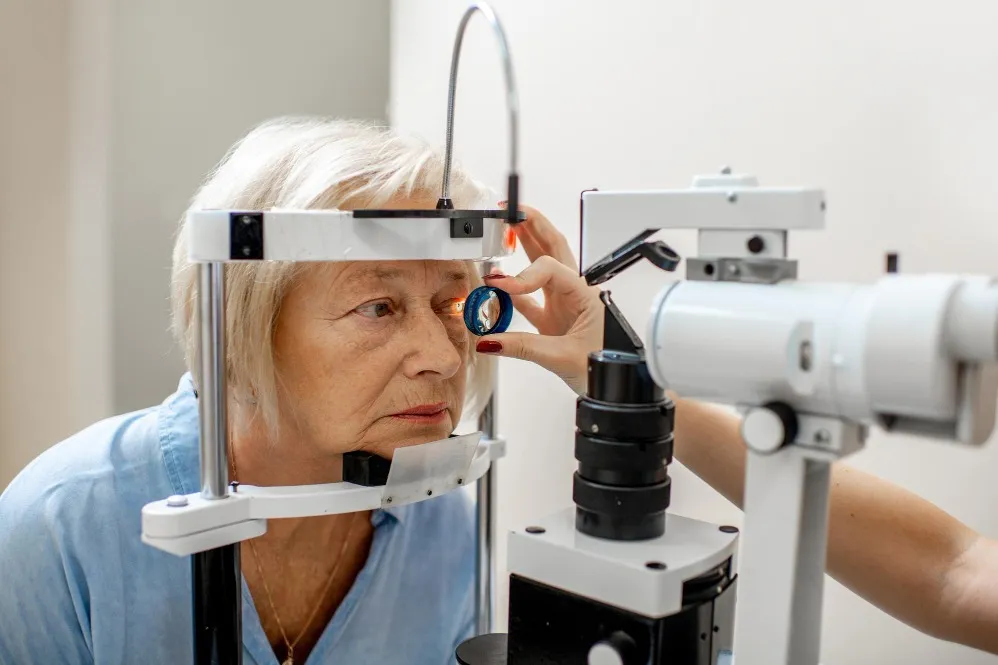
Depending on individual circumstances, an ophthalmologist may evaluate:
- Distance and near vision
- Eye pressure
- The lens and other front structures of the eye
- The retina
- Retinal blood vessels
- The macula
- The optic nerve
Dilating drops may be used to allow a broader examination of the retina. Additional retinal imaging can be advised when clinically appropriate.
Why Waiting for Blurred Vision Is Not Ideal
A common misconception is that an eye examination is unnecessary as long as a person can read, drive, and use a phone comfortably.
Visual acuity alone does not show everything occurring inside the eye.
By the time certain retinal problems begin to noticeably interfere with central vision, the underlying changes may already be significant. Regular assessment is intended to identify problems based on clinical findings rather than waiting for symptoms to become disruptive.
Factors That Can Influence Eye Risk
The likelihood and progression of diabetic eye disease can vary considerably between individuals.
Relevant factors may include:
- Duration of diabetes
- Blood glucose control
- Blood pressure
- Kidney disease
- Pregnancy
- Cholesterol levels
- Previous retinal changes
This is why the recommended frequency of eye examinations is not necessarily identical for every patient.
Symptoms That Deserve Prompt Attention
Even people undergoing routine monitoring should seek professional assessment when they experience new visual symptoms.
These can include sudden blurring, a noticeable increase in floaters, flashes of light, a dark area in the field of vision, sudden reduction of sight, or significant distortion.
Such symptoms can have several causes and should not automatically be attributed to diabetes.
Make Eye Monitoring Part of Diabetes Care
Managing diabetes involves more than monitoring blood sugar. Blood pressure management, medical follow-up, lifestyle measures, and appropriate screening for possible complications all have a role.
Eye assessment fits within that broader approach.
Focus Eye Clinic provides ophthalmic evaluation for patients in Thane, including people who require retinal assessment as part of their diabetes care.
A Diabetic Eye Checkup should be viewed as an opportunity to identify changes before they necessarily become obvious in day-to-day vision. The appropriate examination schedule should ultimately be determined according to the patient's diabetes history, previous retinal findings, and medical advice.
Keywords