Occasional eye discomfort after a long day of screen use is common. Persistent burning, grittiness, watering, fluctuating vision, or the sensation that something is stuck in the eye can be different. These symptoms may indicate a problem with the tear film or ocular surface.
Effective Dry Eye Treatment begins by identifying why the eyes are uncomfortable rather than repeatedly using whichever lubricating drop happens to be available.
Dry Eye Does Not Always Mean Too Few Tears
The tear film has multiple components that work together to keep the eye surface comfortable and optically smooth.
Some people do not produce enough tears. Others may produce tears that evaporate too quickly because of problems involving the oily layer of the tear film and the eyelid glands.
This is one reason two people with 'dry eyes' may need different management approaches.
Common Symptoms Can Be Surprisingly Varied
Dry eye symptoms may include:
- Burning
- Grittiness
- Redness
- Intermittent blurred vision
- Eye fatigue
- Sensitivity to light
- Discomfort during prolonged screen use
- Difficulty tolerating contact lenses
- Excessive watering
Watery eyes may seem contradictory, but irritation can sometimes trigger reflex tearing.
Why Screen Use Can Make Symptoms Worse
People tend to blink less frequently and sometimes less completely while concentrating on digital screens.
Long periods of computer and smartphone use can therefore worsen tear-film instability in susceptible individuals.
For professionals, students, and other heavy digital-device users in Thane and urban areas across Maharashtra, simple visual habits can help.
Try following the 20-20-20 principle, taking regular breaks and consciously blinking fully. Position screens comfortably and avoid direct airflow from fans or air-conditioning toward the eyes.
Avoid Treating Every Red Eye Yourself
Over-the-counter lubricants can provide relief in some situations, but persistent symptoms deserve proper assessment.
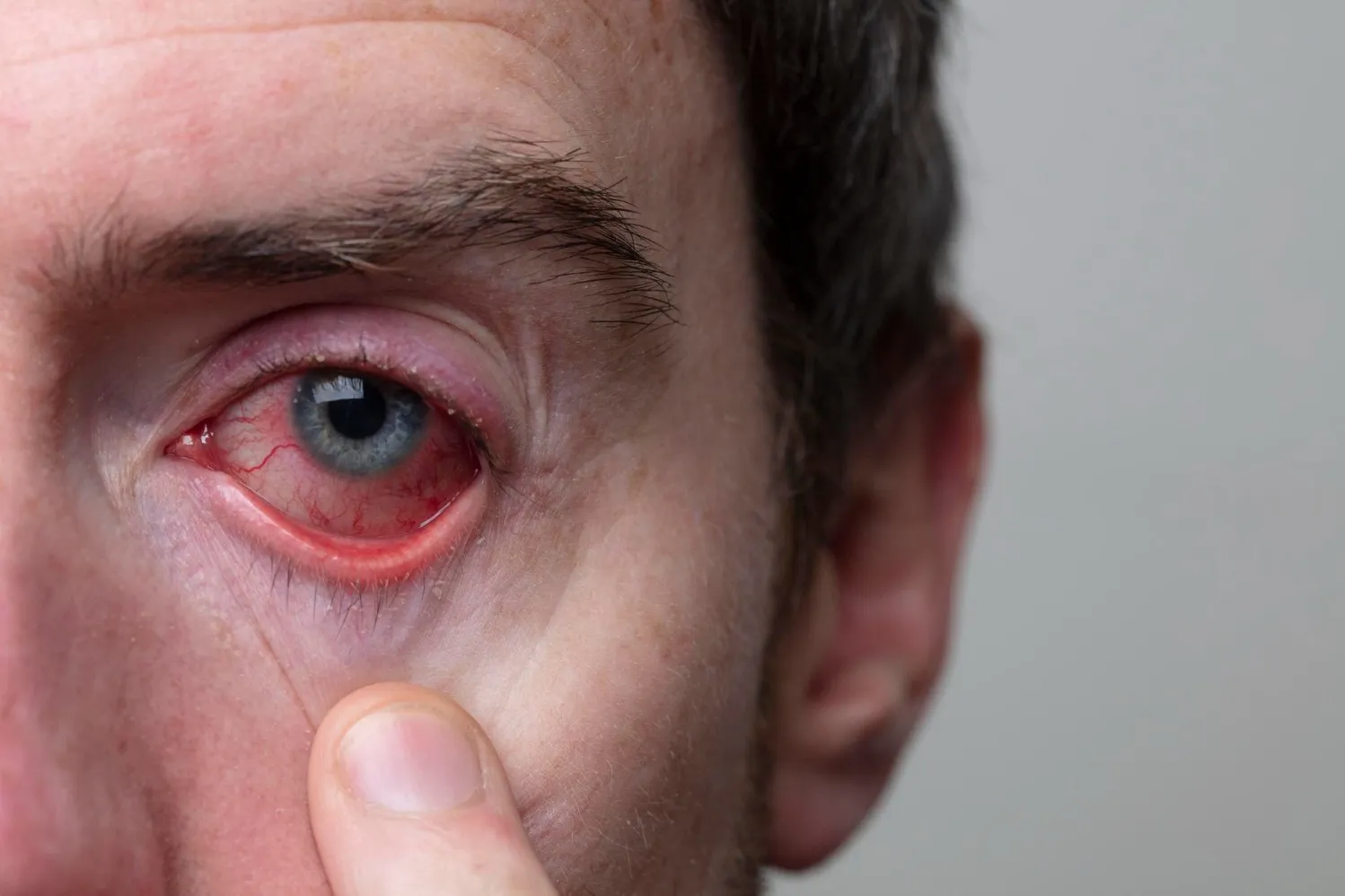
Redness and irritation can also occur with allergy, infection, eyelid disease, corneal problems, and other conditions.
Repeatedly using redness-relieving drops without understanding the cause is not a substitute for examination.
What an Eye Assessment May Look For
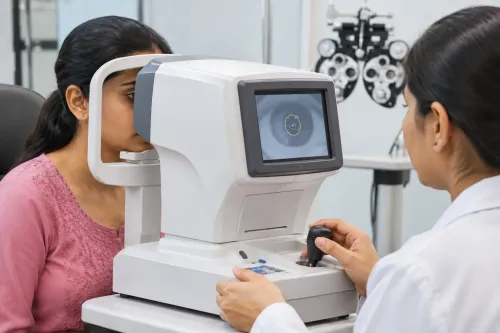
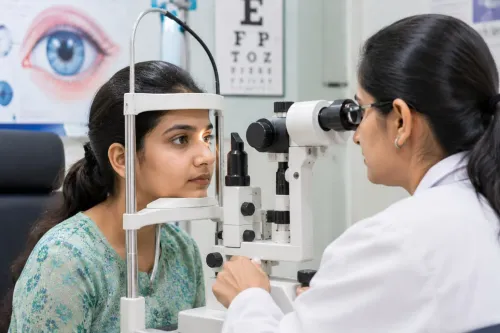
An ophthalmologist may evaluate the tear film, corneal surface, eyelids, blinking pattern, and meibomian glands.
The examination can help determine whether symptoms are related primarily to aqueous tear deficiency, excessive evaporation, eyelid-gland dysfunction, inflammation, environmental triggers, or a combination of factors.
Treatment Should Address the Cause
Management may include lubricating eye drops, changes to screen habits, eyelid hygiene, warm compresses in selected patients, treatment of associated eyelid conditions, and other therapies depending on severity and underlying cause.
Contact lens wear and certain medications may also need to be reviewed.
Focus Eye Clinic provides eye-surface assessment for people experiencing persistent dryness and irritation in Thane.
The important principle behind Dry Eye Treatment is individualisation. When discomfort keeps returning despite basic measures, identifying the type and contributing factors can lead to a more structured management plan than repeatedly trying different eye drops without assessment.
Keywords