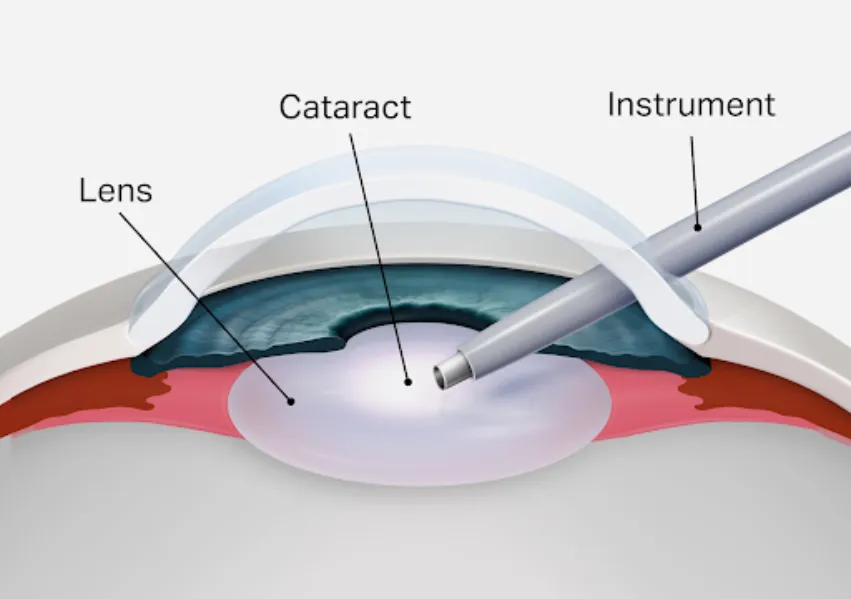
A cataract diagnosis does not automatically mean surgery must be performed immediately. Many cataracts develop gradually, and early lens clouding may have little effect on everyday activities.
The decision about Cataract Surgery becomes more relevant when reduced vision begins interfering with the tasks that matter to the individual or when an ophthalmologist identifies another clinical reason for intervention.
Look at Function Rather Than the Diagnosis Alone
Two people with apparently similar cataracts may experience them very differently.
Someone who drives frequently at night may find glare troublesome at an earlier stage. Another person may notice difficulty reading small print, recognising faces, using stairs confidently, or carrying out detailed professional work.
Common difficulties include:
- Hazy or blurred vision
- Increased glare
- Halos around lights
- Difficulty driving after dark
- Faded colours
- Reduced contrast
- Frequent changes in spectacle power
- Greater dependence on bright lighting
The impact on everyday function is an important part of the surgical discussion.
Can New Glasses Help First
Sometimes.
In the earlier stages, an updated spectacle prescription and better lighting may improve functional vision sufficiently. This is particularly relevant when the cataract is mild and the patient remains comfortable with daily activities.
As clouding becomes more significant, changing spectacles may provide progressively less improvement.
That is often when surgery becomes a more practical consideration.
What Should Be Checked Before Surgery
Reduced vision should not automatically be attributed entirely to cataract.
The ophthalmologist needs to evaluate whether conditions involving the cornea, retina, macula, or optic nerve could also be affecting sight.
This matters because another eye condition can influence the level of visual improvement that may reasonably be expected after cataract removal.
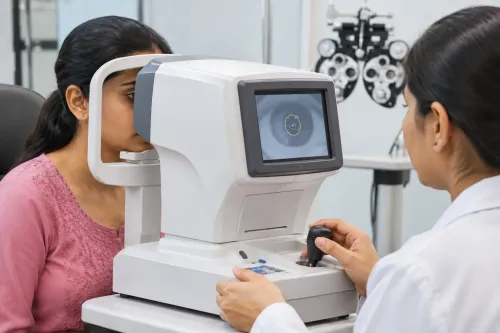
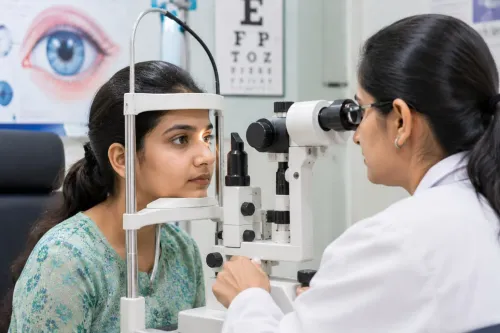
Preoperative assessment commonly includes examination of the eye and measurements used to calculate the replacement intraocular lens.
Think About Your Visual Priorities
Modern cataract planning includes a discussion about the type of vision a patient hopes to achieve after surgery.
Some people prioritise clear distance vision. Others are particularly interested in reading, computer work, or reducing dependence on spectacles across different distances.
Existing astigmatism and the health of the eye can also influence lens selection.
Rather than asking which intraocular lens is 'best,' ask which lens is most appropriate for your eyes and daily visual requirements.
Questions Worth Asking During Consultation
Before deciding, patients may find it helpful to ask:
- How much of my visual difficulty is caused by the cataract?
- Is there another condition affecting my eyesight?
- What happens if I wait?
- Which surgical technique is being recommended?
- What type of intraocular lens suits my needs?
- What are the relevant risks?
- What should I expect during recovery?
Clear answers make it easier to make a considered decision.
For patients in Thane, Maharashtra, Focus Eye Clinic can assess whether a cataract is significantly contributing to current visual difficulties and discuss treatment according to the findings.
The right time for Cataract Surgery is not defined simply by age or the presence of lens clouding. It is a clinical and personal decision based on eye health, visual function, safety, lifestyle requirements, and the potential benefit expected from treatment.
Keywords