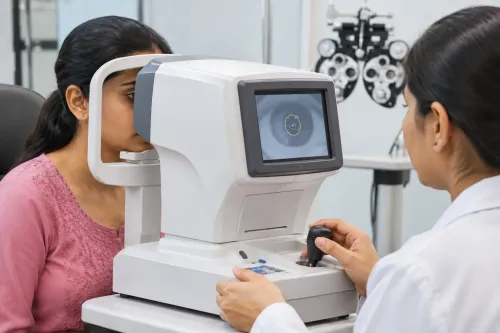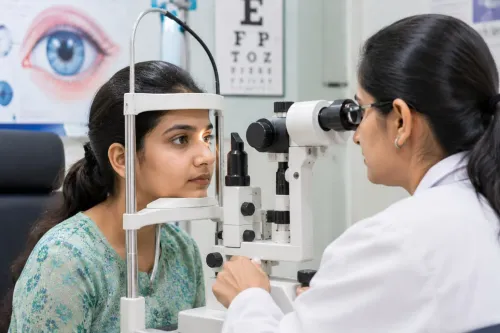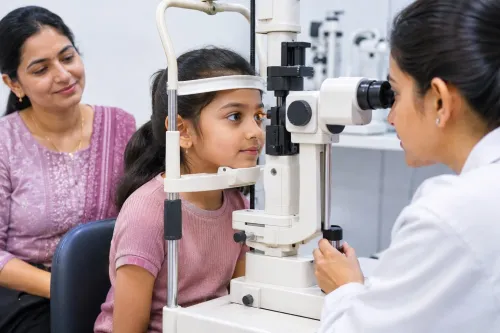
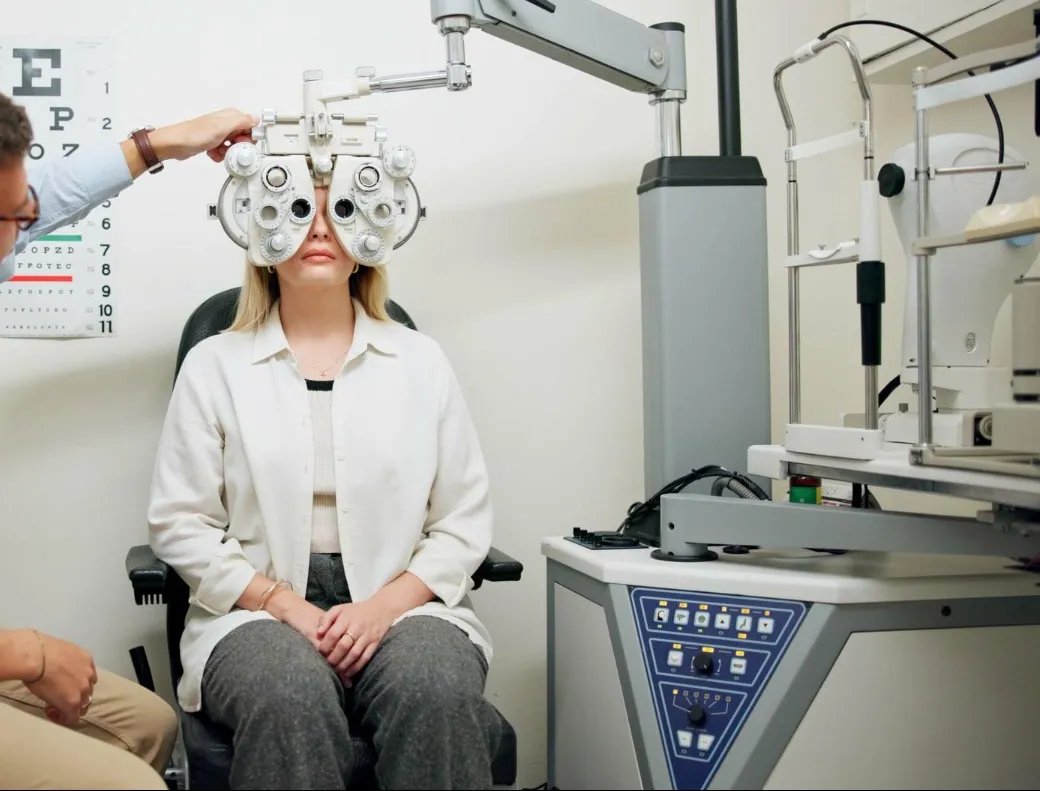
Choosing an Eye Testing Centre should involve more than finding somewhere that can quickly provide a spectacle number. A thorough eye assessment can evaluate vision while also identifying signs that may require medical attention.
For families in Thane, selecting a clinic becomes particularly important when eye care needs span children, working adults, people with diabetes, and older family members.
Look beyond basic vision testing
A standard vision chart provides useful information about visual acuity, but it cannot assess every aspect of eye health.
Depending on the patient's needs, a comprehensive examination may involve evaluation of:
- Refractive error
- Eye pressure
- Cornea and anterior eye structures
- Lens clarity
- Retina
- Optic nerve
- Eye alignment
- Tear-film health
A clinic should also be able to explain when additional diagnostic investigations are required rather than treating every patient according to the same routine.
Consider whether medical eye conditions can be evaluated
Spectacle correction is only one part of ophthalmic care.
Symptoms such as persistent redness, flashes, floaters, double vision, eye pain, sudden blurred vision, and progressive visual loss may require medical evaluation rather than a routine optical test.
When choosing a provider, consider whether an ophthalmologist can assess conditions such as cataracts, glaucoma, retinal disease, dry eye, and squint.
Ask how examinations are personalised
A useful eye consultation should take into account age, symptoms, medical history, family history, current medications, previous eye procedures, and visual requirements.
A child experiencing classroom difficulty has different needs from an older adult struggling with glare while driving. Similarly, a patient with diabetes may require retinal evaluation even when their spectacle prescription has not changed.
At Focus Eye Clinic, Dr. Mohini Modak provides ophthalmology consultations for patients with routine vision requirements as well as a range of eye-related concerns.
Check whether follow-up care is clearly explained
Some eye problems cannot be managed through a single visit.
Glaucoma may require ongoing monitoring. Dry eye management may need review after initial treatment. Cataract patients require appropriate preoperative and postoperative care. Contact lens wearers may need reassessment if comfort or vision changes.
A reliable eye care provider should explain why follow-up is recommended and what is being monitored.
Pay attention to communication
Patients should feel able to ask questions about findings and treatment options.
Useful explanations should cover:
- What the examination found
- Whether further tests are required
- Available management options
- Expected follow-up
- Warning symptoms requiring earlier review
- How an existing medical condition may affect eye health
This is particularly important when families are making decisions about surgery or long-term treatment.
Convenience matters but should not replace clinical quality
For people living and working in Thane, accessibility and appointment convenience naturally influence clinic selection. Yet location should be considered alongside the scope of examination and availability of appropriate ophthalmic evaluation.
Choosing an eye testing centre is ultimately about finding care that matches the patient's actual needs.
A person seeking a routine prescription may need a straightforward assessment. Someone with diabetes, sudden floaters, progressive vision loss, suspected cataract, or a family history of glaucoma may require a more detailed medical eye examination.
Looking at the quality and scope of evaluation rather than convenience alone can help families make a more informed choice about ongoing eye care.
Keywords