

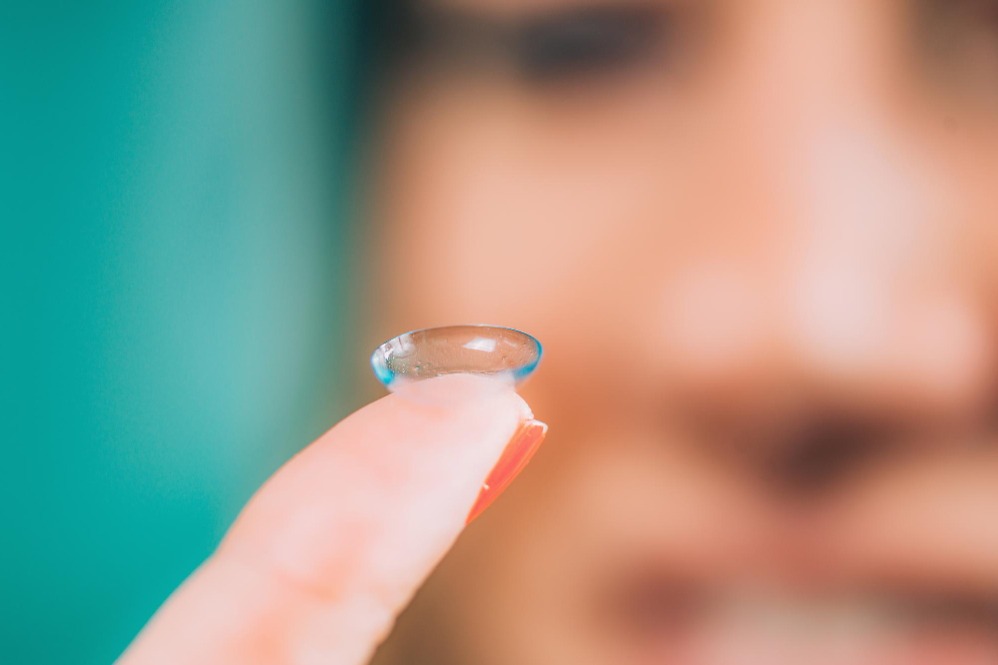
Contact lenses can provide convenient vision correction, but they sit directly on the eye's surface. Choosing lenses solely by spectacle power, price, or appearance overlooks important factors such as corneal shape, tear-film condition, lens fit, wearing schedule, and hygiene.
A Contact lens specialist helps determine whether contact lenses are suitable and which lens characteristics match the individual's eyes and visual requirements.
A Spectacle Prescription Is Not a Complete Lens Prescription
Spectacles sit a short distance in front of the eyes. Contact lenses rest directly on the tear film.
For this reason, contact lens selection may require measurements and considerations beyond simply copying numbers from a spectacle prescription.
The practitioner may evaluate:
- Refractive error
- Corneal curvature
- Eye-surface health
- Tear-film quality
- Lens movement and centration
- Wearing requirements
- Previous lens experience
A trial lens may be assessed on the eye before the final prescription is confirmed.
Different Users Have Different Requirements
A person who wants lenses occasionally for sports may have different needs from someone wearing them throughout a working day.
People with astigmatism may require toric lenses. Presbyopic adults may be evaluated for multifocal or other strategies, depending on suitability.
Specialised contact lenses can also have roles in selected corneal and refractive conditions.
This is why there is no universally 'best' contact lens.
Hygiene Is Part of the Prescription
Even a well-fitted lens can become unsafe when used incorrectly.
Contact lens users should follow several essential habits:
- Wash and dry hands before handling lenses
- Follow the prescribed replacement schedule
- Do not use lenses beyond their intended lifespan
- Use recommended cleaning products
- Keep reusable lens cases clean
- Replace cases as advised
- Never use tap water to clean or store lenses
- Avoid sleeping in lenses unless specifically approved for that use
Swimming and water exposure while wearing lenses can also increase infection risk.
Know When to Remove the Lens
Pain, significant redness, light sensitivity, discharge, or sudden blurred vision should not be ignored.
Remove the lenses and seek professional advice when concerning symptoms occur.
Trying to tolerate a painful red eye while continuing lens wear can delay diagnosis of potentially significant corneal problems.
What Makes a Good Fitting Service
When selecting a provider, look beyond whether lenses are available immediately.
A thorough fitting process should include eye assessment, lens selection based on clinical measurements, evaluation of the lens on the eye, clear handling instructions, and appropriate follow-up.
First-time wearers should also be taught how to insert and remove lenses safely.
Regular Reviews Still Matter
A comfortable contact lens does not necessarily mean the eye surface should never be checked again. Lens material, wearing habits, tear-film condition, and corneal response can change over time.
Patients in Thane looking for professional contact lens fitting can visit Focus Eye Clinic for assessment according to their prescription, ocular surface, and intended use.
Choosing a Contact lens specialist is ultimately about safe, sustainable lens wear rather than simply purchasing a particular brand. Correct fitting, good hygiene, sensible wearing habits, and periodic review can make contact lenses a more reliable part of everyday vision correction.