

People who have worn glasses or contact lenses for years often become interested in refractive surgery because they want greater independence from corrective eyewear. LASIK is one of the procedures commonly discussed for suitable patients, but eligibility should never be assumed simply because someone has a spectacle prescription.
LASIK Surgery reshapes the cornea so that light can focus more appropriately on the retina. The process begins well before the procedure itself, with detailed evaluation to determine whether laser vision correction is suitable and which approach may be appropriate.
The Assessment Comes First
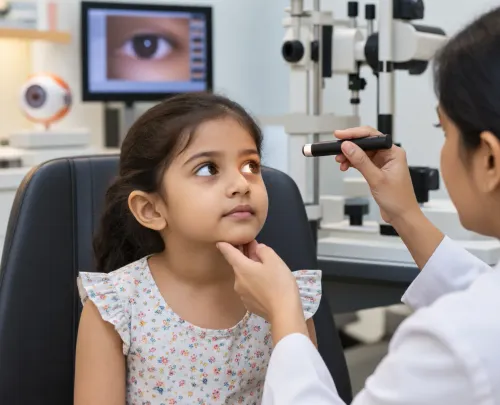
A preoperative examination is a critical part of refractive surgery planning.
An ophthalmologist may assess:
- Current spectacle prescription
- Stability of the prescription
- Corneal shape and thickness
- Tear-film condition
- Pupil characteristics
- Overall eye health
- Lifestyle and visual requirements
- Previous eye conditions or surgery
Corneal mapping and other measurements may be performed depending on the procedure being considered.
This assessment can also identify people for whom LASIK may not be the preferred option.
How LASIK Works
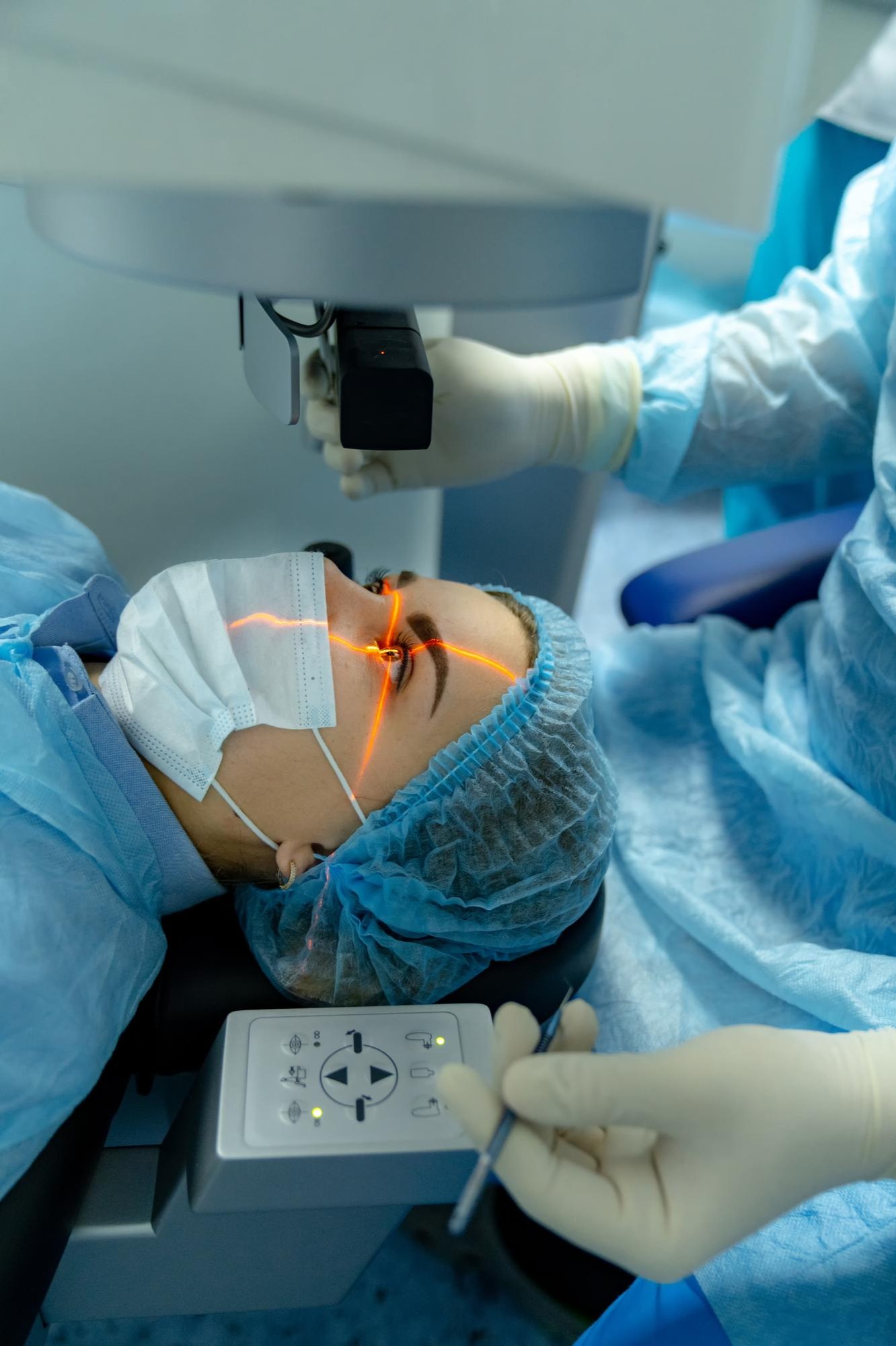
LASIK involves reshaping corneal tissue using a laser.
A thin corneal flap is created, underlying corneal tissue is reshaped according to the planned correction, and the flap is repositioned.
The exact technology and surgical planning can vary. Patients should therefore understand the procedure recommended for their particular eyes rather than assuming every laser vision-correction technique is identical.
Is Everyone With Glasses Eligible
No.
Suitability can depend on several factors, including age, prescription stability, corneal measurements, eye health, and medical history.
Significant dry eye, certain corneal abnormalities, unstable refractive power, and some other eye or health conditions can affect eligibility.
Alternative vision-correction approaches may be discussed when LASIK is unsuitable.
What Does Recovery Usually Involve
Patients generally receive specific postoperative instructions about eye drops, protecting the eyes, and follow-up appointments.
Vision may initially fluctuate, and temporary dryness, glare, or halos can occur. Recovery experiences vary, so postoperative guidance should be followed rather than comparing progress with another person's experience.
Patients should also avoid rubbing their eyes and should follow the surgeon's instructions regarding exercise, swimming, cosmetics, and other activities.
What Questions Should You Ask Before Proceeding
A useful refractive surgery consultation should give you enough information to understand both potential benefits and limitations.
Consider asking:
- Is my prescription stable enough for treatment?
- Are my corneal measurements suitable?
- Do I have dry eye that should be managed first?
- Which refractive procedure is appropriate for me?
- What side effects and complications should I understand?
- What can realistically be expected from my vision after treatment?
- What follow-up will be required?
These questions help shift the decision from simply wanting freedom from glasses to understanding whether surgery is clinically appropriate.
For adults considering laser vision correction in Thane, Maharashtra, comprehensive evaluation is an essential first step. Focus Eye Clinic can assess refractive status and eye health before discussing available treatment possibilities.
LASIK Surgery can be an option for appropriately selected patients, but good decision-making starts with suitability testing, realistic expectations, and a clear understanding of the procedure and recovery process.