


Clear vision depends on much more than the front of the eye. At the back sits the retina, a light-sensitive layer of tissue that converts visual information into signals sent to the brain. A Retinal check up allows an ophthalmologist to examine this important structure and identify changes that may not always produce obvious early symptoms.
This is particularly relevant because certain retinal conditions can progress quietly.
Why the Retina Matters
The central part of the retina includes the macula, which supports detailed central vision needed for tasks such as reading and recognising faces. Other areas contribute to peripheral vision.
Changes involving the retina can therefore affect vision in different ways. Symptoms that deserve ophthalmic attention can include:
- New flashes of light
- A sudden increase in floaters
- A curtain-like shadow in the visual field
- Distorted central vision
- Unexplained blurred vision
- Missing areas of vision
Sudden onset of flashes, many new floaters, or a curtain-like loss of vision warrants prompt eye assessment because these symptoms can be associated with a retinal tear or detachment.
What Happens During a Retinal Check Up
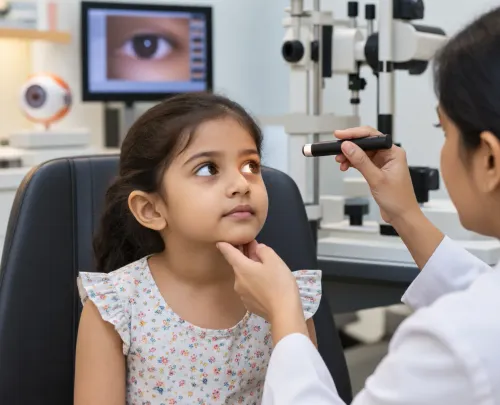
The ophthalmologist may dilate the pupils using eye drops so that a wider view of the retina can be obtained. Dilated examination allows assessment of areas that cannot be evaluated adequately simply by checking spectacle power.
Depending on the findings, additional investigations such as retinal imaging or optical coherence tomography may be advised.
A retinal examination can help identify changes associated with conditions including diabetes, retinal tears, retinal vascular disorders, macular conditions, and other diseases affecting the back of the eye.
Who May Need Closer Retinal Monitoring
People with diabetes often require periodic retinal evaluation because elevated blood glucose over time can damage small retinal blood vessels.
Those with high myopia may also have particular retinal risks. Age, previous retinal problems, eye injuries, family history, and other medical conditions may influence how frequently an examination is recommended.
For residents of Thane and surrounding areas of Maharashtra, Focus Eye Clinic offers comprehensive ophthalmic assessment with Dr. Mohini Modak, including retinal evaluation when symptoms, medical history, or examination findings indicate the need.
Common Questions About Retinal Examination
Can the retina be unhealthy even when vision seems normal?
Yes. Some retinal changes can initially occur without noticeable symptoms.
Why are dilating drops used?
They enlarge the pupil and allow the ophthalmologist to examine more of the retina.
Will vision be blurred after dilation?
Temporary near-vision blur and light sensitivity can occur after pupil dilation. The duration varies depending on the drops and the individual.
Is a spectacle test enough to assess retinal health?
No. Refraction determines optical correction, while retinal evaluation examines structures at the back of the eye.
Routine eye care should not focus only on whether the spectacle number has changed. Examining the retina can provide important information about ocular health, especially for people with relevant symptoms or risk factors.