

Cataracts usually develop gradually, which means many people adapt to changing vision without immediately recognising how much clarity they have lost. Difficulty driving at night, faded colours, glare around lights, frequent spectacle changes, and increasingly cloudy vision can eventually interfere with routine activities. A Phacoemulsification Consultation helps determine whether cataract surgery is appropriate and explains what the procedure may involve.
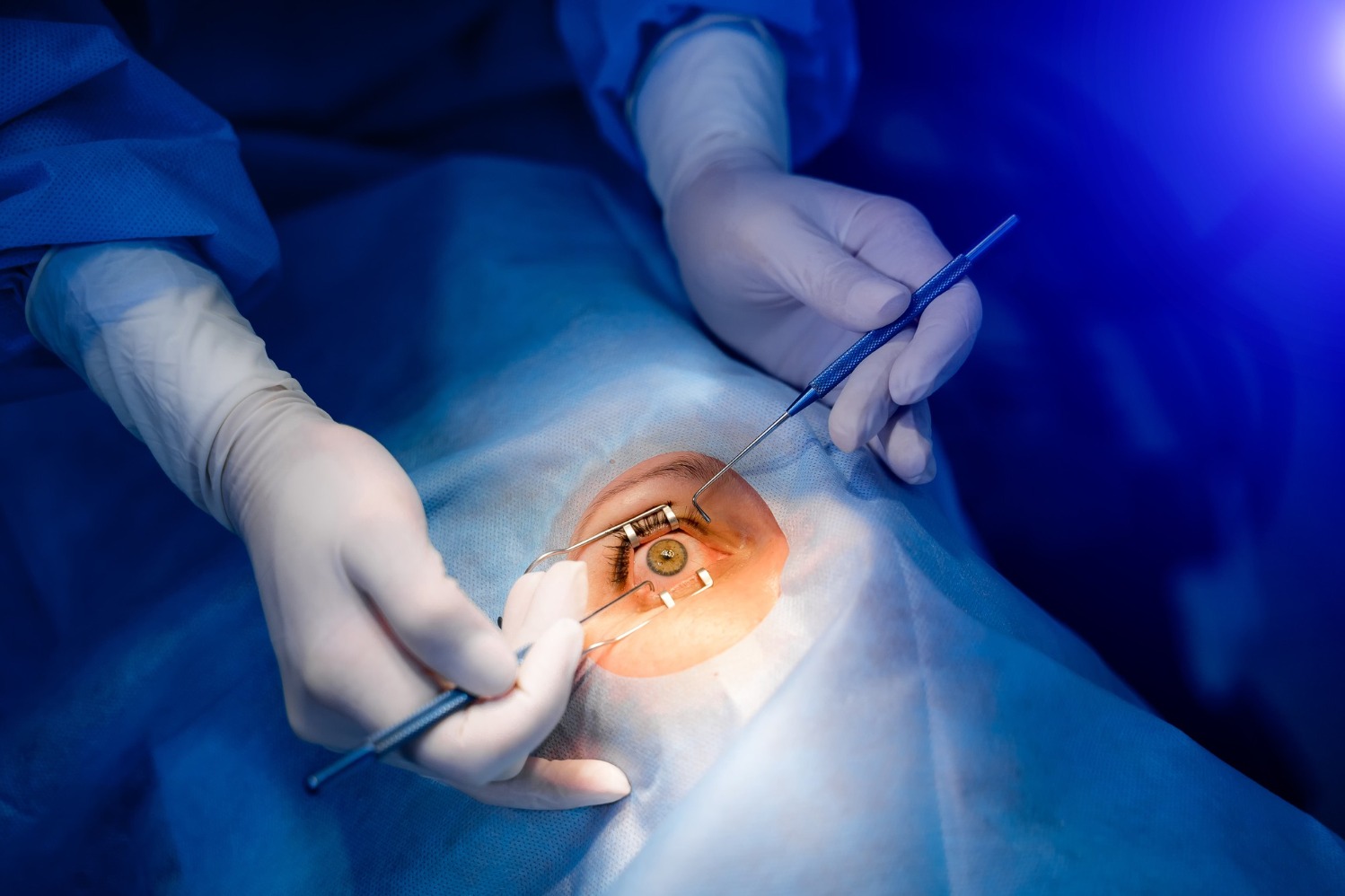
Phacoemulsification is a commonly used technique for cataract surgery. It uses ultrasound energy to break the cloudy natural lens into small fragments so they can be removed. An artificial intraocular lens is then implanted to replace the cataractous lens.
What Happens Before Phacoemulsification
A consultation is more than a conversation about a surgical date. The ophthalmologist first needs to confirm that the cataract is responsible for the patient's visual difficulty.
The assessment may involve:
- Visual acuity testing
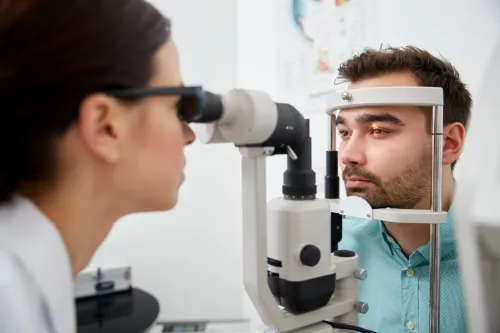
- Slit-lamp examination
- Eye pressure measurement
- Dilated retinal examination when appropriate
- Measurements needed for intraocular lens calculation
- Review of current medicines and health conditions
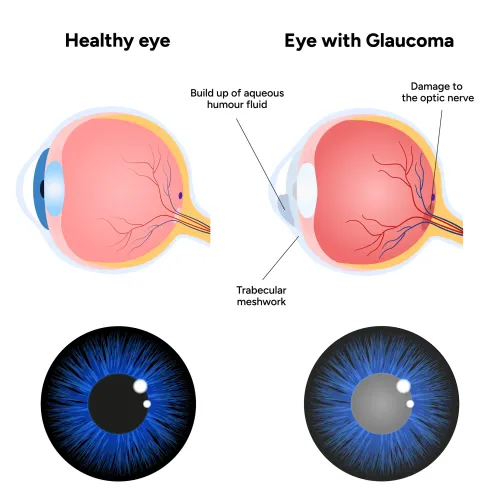
Other eye conditions can coexist with cataracts. Glaucoma, retinal disease, corneal problems, and diabetic eye changes can influence expected visual improvement and may affect treatment planning.
When Cataract Surgery May Be Considered
There is no universal level of blurred vision at which every cataract needs surgery. The impact on everyday life matters.
Someone who struggles with night driving may seek treatment sooner than a person whose daily activities remain unaffected. Reading requirements, occupation, mobility, hobbies, and the health of the other eye can also influence the decision.
This is why consultation is important rather than assuming that every diagnosed cataract immediately requires an operation.
Understanding the Artificial Lens
During cataract surgery, the cloudy natural lens is replaced by an intraocular lens. Different lens options may be available depending on eye measurements, visual requirements, ocular health, and clinical suitability.
Patients should understand what a recommended lens is designed to achieve and whether spectacles may still be required for certain distances afterward. No lens choice should be based solely on marketing terminology.
For patients in Thane, Maharashtra, Focus Eye Clinic provides ophthalmology consultations with Dr. Mohini Modak, where cataract assessment can include discussion of visual symptoms, examination findings, surgical suitability, and appropriate lens planning.
Common Questions Before Phacoemulsification
Is phacoemulsification performed for every cataract?
The surgical approach depends on the individual eye and the ophthalmologist's assessment. Phacoemulsification is widely used, but suitability is determined clinically.
Does a cataract have to become fully mature before treatment?
Not necessarily. Modern cataract decisions generally consider visual impairment, examination findings, and the patient's functional needs.
Will spectacles never be required after surgery?
That cannot be assumed. Spectacle requirements depend on factors including the implanted lens, healing, existing astigmatism, and other characteristics of the eye.
A well-conducted consultation gives patients something more valuable than a procedure description. It provides a clearer understanding of whether the cataract explains their symptoms, whether surgery is appropriate, and what expectations are realistic.