A good LASIK decision depends on more than reading the smallest line on an eye chart. You should leave the assessment knowing how your prescription, cornea, tear film, retina, general health and visual expectations affect the risks, alternatives and likely need for glasses.
Key takeaways
- Confirm your prescription is stable before considering LASIK.
- Request corneal topography, tomography and pachymetry results.
- Treat dry eye and repeat unreliable measurements before surgery.
- Check for retinal disease, keratoconus and health conditions that delay LASIK.
Which baseline eye examinations belong in a LASIK assessment?
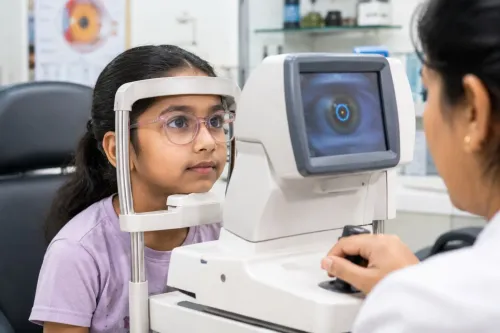
A LASIK baseline assessment needs more than an unaided eye-chart score. It should establish your exact prescription, the best vision achievable with correction, and whether the eye has disease that laser surgery cannot fix.
| Examination | What it reveals | Why it matters |
|---|---|---|
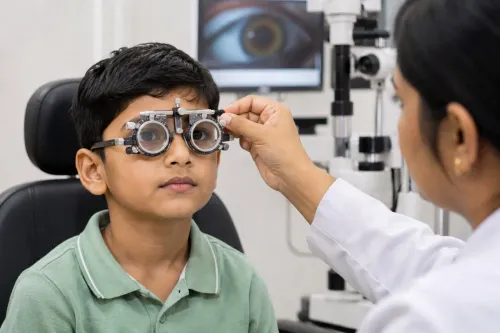
| Manifest refraction | Your subjective sphere, cylinder and axis | Sets the proposed correction |
| Cycloplegic refraction | Objective refraction after relaxing accommodation | Helps younger patients, fluctuating measurements, accommodative spasm, or a large subjective-objective difference |
| Best-corrected visual acuity | The clearest vision achieved with an accurate prescription | Shows the eye’s visual potential before surgery |
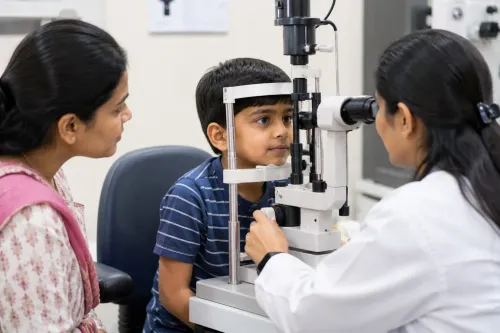
| Slit-lamp examination | The lids, conjunctiva, cornea and lens | Detects infection, inflammation, scarring and other conditions |
| Intraocular-pressure measurement | Pressure inside the eye | Helps identify glaucoma risk |
Compare your spectacle or contact-lens prescriptions with records from the previous year. A change of about 0.50 dioptre or more means the prescription is not stable enough for a final elective decision; delay surgery and repeat the measurements after the number settles.
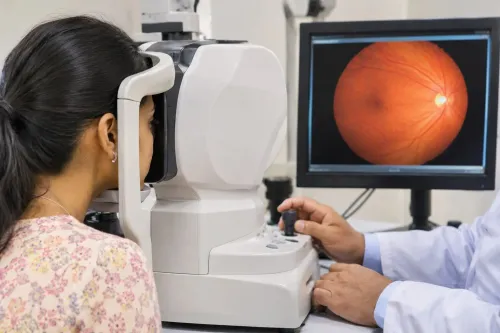
The slit-lamp examination matters even when unaided vision looks normal. A clear eye-chart result does not rule out corneal, lens or retinal disease. A dilated retinal examination is also important when high myopia, flashes, new floaters or other symptoms raise concern, because LASIK does not remove retinal risk.
How do corneal maps and thickness measurements determine suitability?
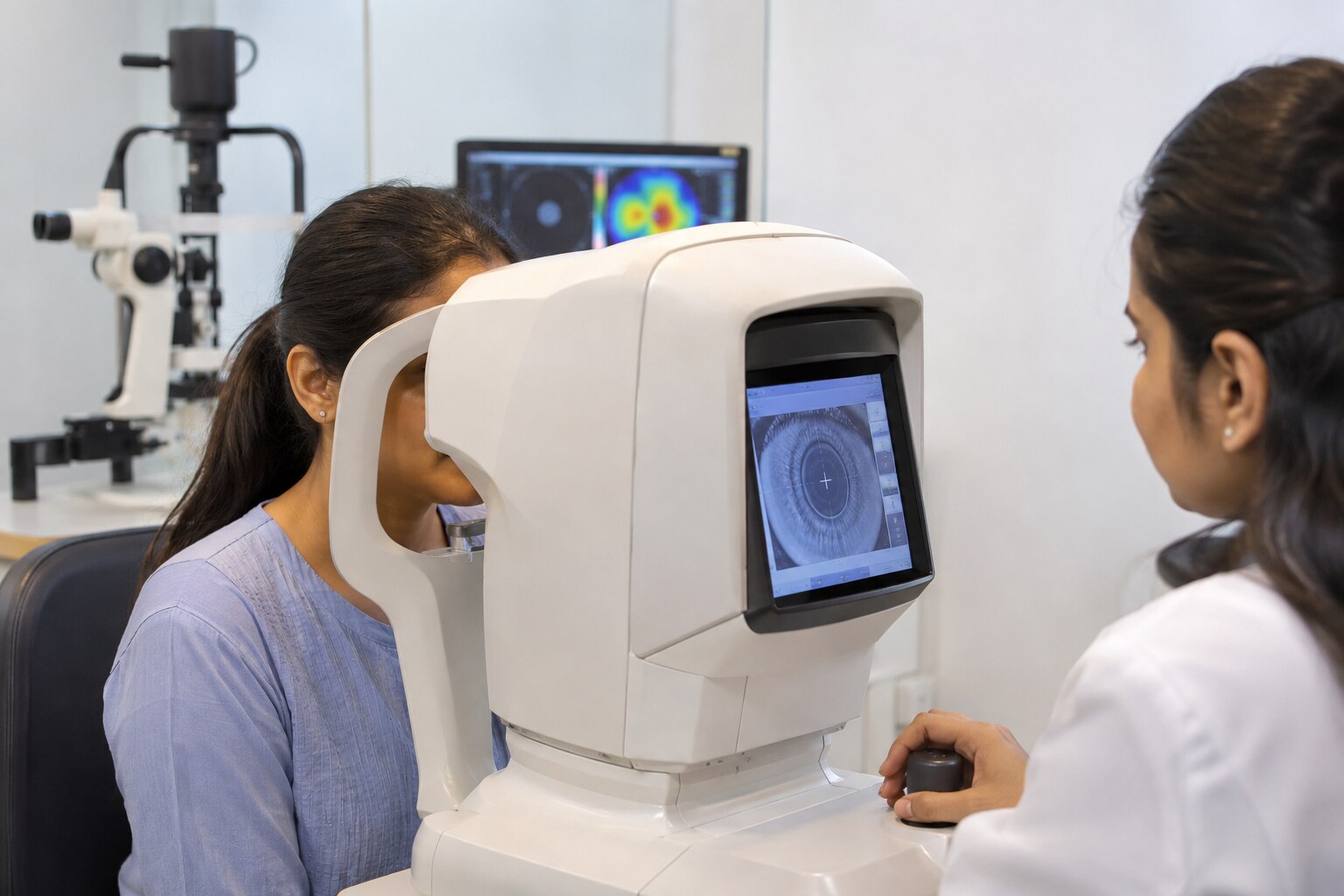
A thick cornea is not automatically safe for LASIK. Corneal topography maps the front-surface curvature, while corneal tomography also assesses the front and back surfaces, corneal elevation and thickness distribution.
1. Review the map for keratoconus, forme-fruste keratoconus, asymmetric or irregular astigmatism and suspicious posterior elevation. These patterns can reveal keratoconus risk even when a routine spectacle prescription looks excellent.
2. Use pachymetry to record corneal thickness, then calculate the planned ablation depth and flap thickness. The key figure is the residual stromal bed left beneath the flap, not the starting thickness alone. Around 250 micrometres is often cited as a planning limit, but it is not a universal safety guarantee.
3. Combine thickness with corneal shape, refractive error, biomechanics and other risk factors. Thickness alone cannot eliminate postoperative ectasia, a weakening and bulging of the cornea.
4. Treat an abnormal map, unexplained asymmetry or borderline biomechanics as a reason to pause. The surgeon may order repeat tomography, biomechanical testing or other investigations, delay the procedure until results are stable, or recommend an alternative such as a phakic intraocular lens.
A normal map does not guarantee a complication-free result, and a borderline result does not always mean every form of vision correction is unsuitable. It means the planned tissue removal requires closer scrutiny.
What must be checked before trusting the measurements?
Do not trust a single set of measurements if your cornea, tear film or pupils were assessed under unreliable conditions. Ask the examiner to confirm how each result was prepared and whether repeat testing showed stability.
1. Stop wearing lenses for a lens-specific contact-lens discontinuation interval. Soft lenses commonly require several days to about one week; toric soft lenses, rigid-gas-permeable lenses and hard lenses often need longer. One day is not enough for every wearer.
Ask for repeat scans and refraction after the cornea returns to its natural shape and the results remain stable.
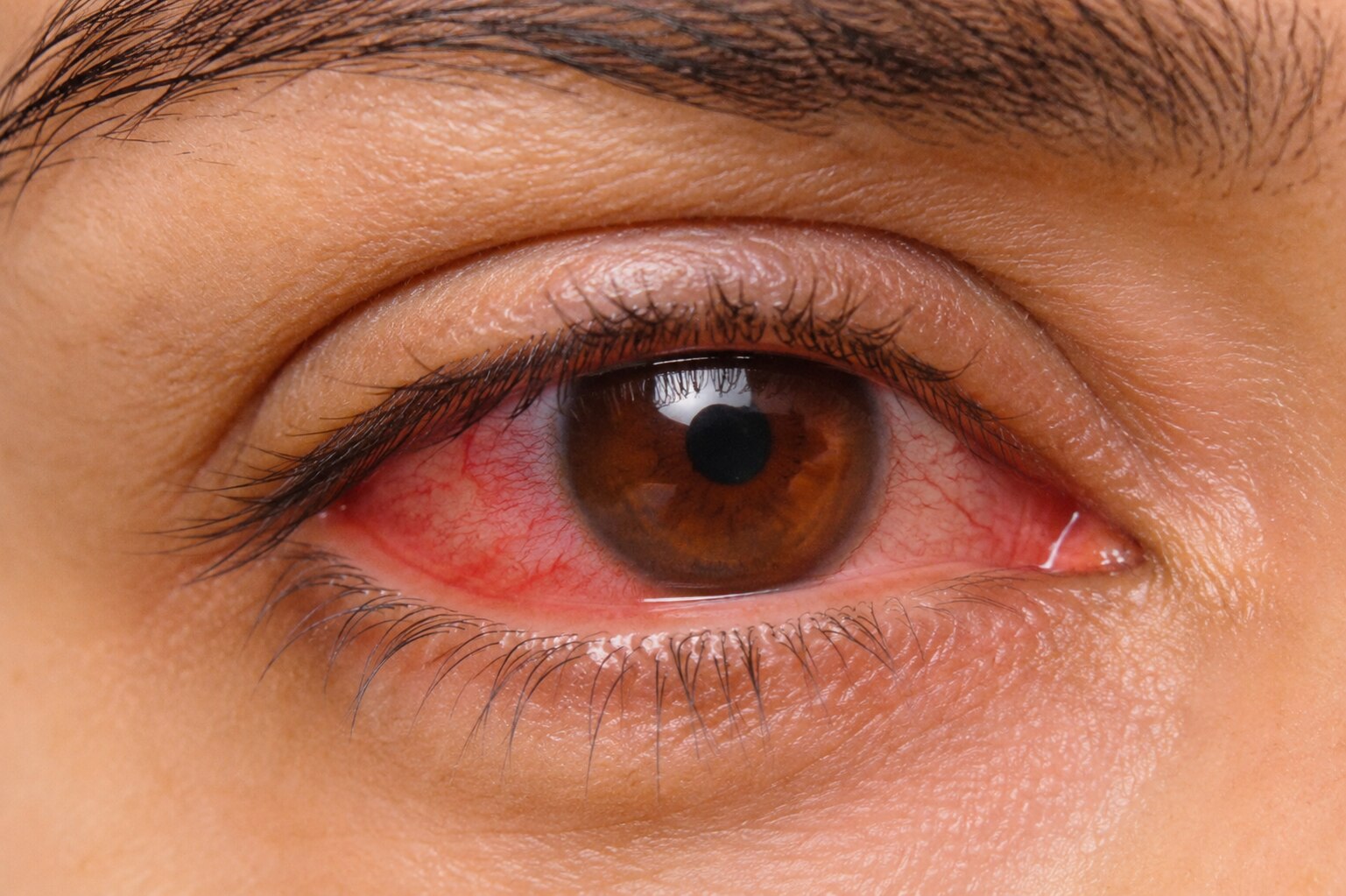
2. Request a complete dry-eye assessment before final planning. It should include tear-break-up time, corneal or conjunctival staining, tear quantity, meibomian-gland function, and signs of blepharitis or allergy. An unstable tear film can make refraction fluctuate and increase postoperative dryness, so treat the surface problem and repeat the measurements instead of using the first numbers.
3. Confirm that pupil-size measurement was performed in dim light. Pupil diameter helps with night-vision counselling and optical-zone planning, but a large pupil is not an automatic rejection. Discuss halos, glare, higher-order aberrations and night driving, because the risk also depends on your corneal shape, tear film and planned laser profile.
Which health, retinal and prescription findings can stop or postpone LASIK?
LASIK is not decided by a single “fit” result. Keratoconus, forme-fruste keratoconus, abnormal topography or tomography, inadequate tissue for the planned correction, severe or uncontrolled dry eye, active infection or inflammation, uncontrolled glaucoma, retinal disease and an unstable prescription can require refusal, treatment, repeat testing or delay.
The medical history should specifically cover:
- Autoimmune or immunodeficiency disorders, poorly controlled diabetes, wound-healing problems and a keloid tendency.
- Current medicines, previous eye surgery and herpes eye disease, because each can affect healing or the ocular surface.
- Pregnancy and breastfeeding, which can make refraction and tear-film measurements less predictable.
A dilated retinal examination deserves particular attention with high myopia, flashes or new floaters. A retinal tear or peripheral retinal disease needs separate treatment or monitoring; correcting the cornea does not remove myopia-related retinal risk.
| Finding | What it may mean | Usual next step |
|---|---|---|
| Abnormal corneal shape or inadequate tissue | Ectasia risk or insufficient safety margin | Further corneal analysis or an alternative procedure |
| Severe dry eye, infection or inflammation | Unreliable measurements and poorer healing | Treat the surface and repeat testing |
| Uncontrolled glaucoma or retinal disease | LASIK cannot correct the underlying risk | Control or assess the condition first |
| Changing prescription | The planned correction may soon be inaccurate | Compare records and wait for stability |
Age and presbyopia also matter. LASIK corrects the selected distance prescription but does not prevent later reading-glass needs; test monovision with contact lenses before considering it, and discuss glasses, contact lenses, phakic intraocular lenses or lens-based surgery when LASIK is unsuitable.
What should you receive before accepting a LASIK recommendation?
A LASIK suitability report should show why the recommendation fits your eyes and priorities, not simply label you “fit” or “unfit.”
- Request sphere, cylinder, axis, corrected visual acuity, corneal-thickness values, topography or tomography maps, intraocular pressure, tear-break-up time or other dry-eye findings, and retinal findings.
Ask which prescription records were compared to establish prescription stability. Confirm that measurements were repeated after contact-lens removal, and ask which result would change the recommendation.
Discuss your age, work, reading demands, night-driving frequency, tolerance for halos and the possibility of reading glasses after distance correction. LASIK does not prevent presbyopia. If monovision is being considered, complete a monovision contact-lens trial before surgery.
| Option | What to compare | When it may be preferable |
|---|---|---|
| Glasses or contact lenses | Vision quality, comfort, maintenance and dry-eye impact | The cornea or ocular surface makes laser treatment less attractive |
| Phakic intraocular lens | Corneal tissue, eye anatomy, risks and long-term follow-up | The prescription is high but the cornea is unsuitable for ablation |
| Lens-based surgery | Age, lens status, retinal findings and near-vision needs | A lens problem or age-related focusing change affects the decision |
At Focus Eye Clinic - 02235048608, ask for the measured findings and surgeon’s reasoning in the report, rather than only a conclusion. That record makes a second opinion useful and clarifies whether treatment, repeat testing or an alternative is safer.
Related service
Ophthalmology LASIK Surgery and consultation in Thane ₹900 LASIK Surgery at Focus Eye Clinic by Dr. Mohini Modak is an advanced laser vision correction procedure designed to reduce or eliminate dependence on... View service → |
Frequently asked questions
Which baseline eye examinations belong in a LASIK assessment?
A baseline assessment should include refraction, best-corrected visual acuity, eye pressure, slit-lamp examination, tear-film assessment, dilated retinal examination and measurements of corneal shape and thickness.
How do corneal maps and thickness measurements determine LASIK suitability?
Corneal topography and tomography identify irregular shape and keratoconus, while pachymetry measures thickness. Surgeons use these results with the planned tissue removal to assess postoperative corneal strength.
What must be checked before trusting LASIK measurements?
The examination should account for contact-lens wear, dry eye, unstable refraction and poor fixation. Stop contact lenses for the period your clinic specifies, treat surface disease and repeat unreliable scans.
Which findings can stop or postpone LASIK?
Keratoconus, thin or irregular corneas, uncontrolled dry eye, active eye disease, unstable prescription, retinal problems and certain uncontrolled health conditions can make LASIK unsuitable or require postponement.
What should you receive before accepting a LASIK recommendation?
Ask for your prescription, corrected visual acuity, corneal maps, thickness measurements, eye-pressure result, retinal findings, planned correction, expected limitations, risks and alternatives in writing.