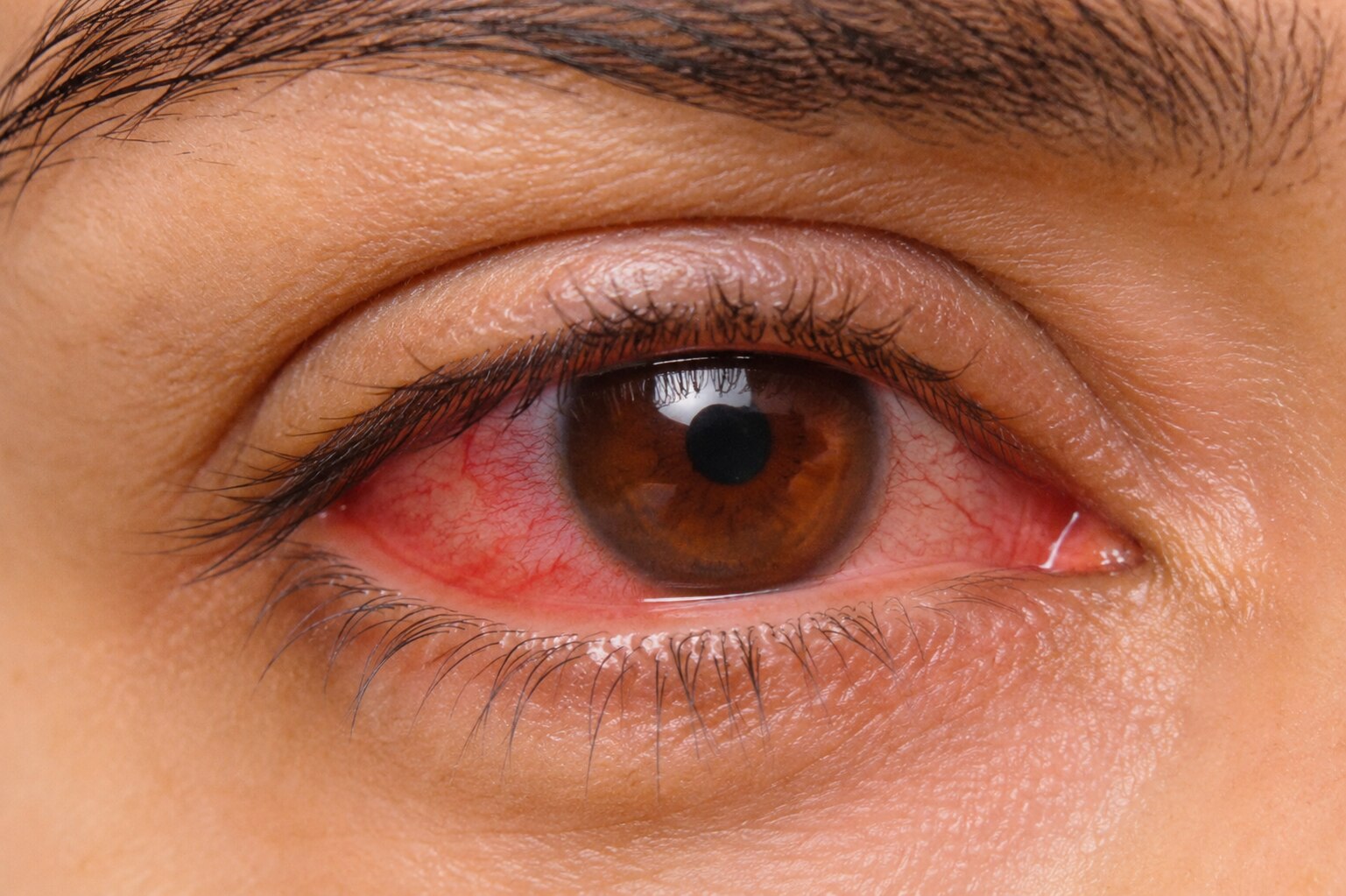
Burning and redness that keep returning can reflect an unstable tear film, but the same pattern can also signal infection, eyelid disease, corneal injury or inflammation inside the eye. You will learn how to judge urgency, distinguish likely causes, prepare for an examination and use treatment safely while the diagnosis is being established.
Key takeaways
- Arrange an eye examination when burning lasts over two or three days or keeps returning.
- Dry eye often causes fluctuating vision, gritty sensations, redness and burning together.
- An examination checks tear production, tear evaporation and the eye’s surface.
- Treatment may progress from environmental changes and lubricants to prescription care.
When burning and redness need an eye examination
Book an eye examination if persistent burning eyes lasts beyond two or three days, keeps returning, or needs lubricating drops several times a day. Brief irritation that settles after rest or leaving a smoky, windy environment is less concerning.
Contact-lens wearers should stop wearing lenses and seek prompt advice when redness, pain or blurred vision appears.
| Pattern | What it suggests | What to do |
|---|---|---|
| Screen-related burning, morning grittiness, wind sensitivity or fluctuating vision | Dry eye symptoms, including evaporative dry eye from meibomian-gland dysfunction | Arrange a routine examination if symptoms persist or recur |
| Watery eyes with burning or grittiness | Reflex tearing from an irritated surface; watery eyes do not rule out dry eye | Do not assume excess tears are the cause |
| Itching with swelling, thick discharge or eyelids stuck together | Allergy or infection rather than uncomplicated dry eye | Arrange an examination promptly |
| Severe pain, sudden vision loss, marked light sensitivity, a white corneal spot, injury or chemical exposure, or redness with nausea and headache | A potentially urgent corneal, inflammatory or glaucoma problem | Seek urgent eye assessment |
Eye redness alone cannot diagnose dry eye. Avoid repeatedly using vasoconstrictor “redness relief” drops: they only narrow surface blood vessels, can cause rebound redness and may mask disease. If you need frequent lubrication, ask about preservative-free drops, since benzalkonium chloride can irritate the ocular surface.
How dry eye differs from other causes of irritation
Dry eye is more likely when burning, grittiness or fluctuating blur worsens after screen use, wind or prolonged reading and improves with blinking or lubrication. Watery eyes do not exclude it: irritation can trigger reflex tears that spill over without stabilising the tear film.
| Cause | Clues that separate it from dry eye | Action |
|---|---|---|
| Allergic conjunctivitis | Intense itching, puffy lids and exposure-related symptoms, often affecting both eyes | Remove the trigger and arrange an examination if symptoms persist |
| Infection | Thick discharge, eyelids stuck together, marked redness or a recent contagious illness | Seek assessment; antibiotics are not appropriate for every infection |
| Blepharitis or meibomian gland dysfunction | Crusts at the lash roots, greasy lid edges, blocked gland openings or morning irritation | Ask for eyelid-margin and gland assessment; tears alone may not fix it |
| Contact lens complications | Pain, light sensitivity, blurred vision or redness that begins during lens wear | Remove the lenses and obtain prompt advice |
| Corneal disease, uveitis or glaucoma | Severe pain, a white corneal spot, sudden vision change, pronounced light sensitivity, nausea or headache | Get urgent eye care |
A normal Schirmer result does not rule out evaporative dry eye from meibomian gland dysfunction. Clinicians combine symptoms with tear-breakup time, corneal staining, tear-volume testing and eyelid examination; no single result confirms or excludes the diagnosis. Persistent redness also deserves assessment rather than repeated redness-relief drops, which can cause rebound redness.
How an eye examination confirms tear-film problems
The clinician confirms a tear-film problem by combining your symptom pattern with several findings, not by relying on redness alone. Explain when burning occurs, whether screens, wind or air-conditioning trigger it, whether vision fluctuates, and whether symptoms are worse on waking. Mention contact-lens use, medicines, allergies, eyelid crusting and previous eye disease.
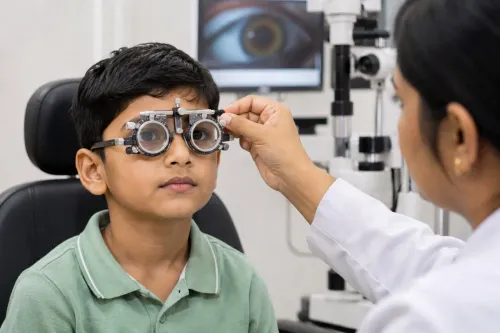
A slit-lamp examination checks the eyelid margins, meibomian glands, conjunctiva, cornea and tear meniscus. Common tests add different pieces of evidence:
| Test | What it shows | Why it is not enough alone |
|---|---|---|
| Tear break-up time | How quickly the tear film develops dry spots after a blink | A single reading can vary with blinking, lighting and recent eye-drop use |
| Fluorescein staining | Scratches or exposed areas on the cornea and conjunctiva | Early dry eye can cause symptoms before visible staining appears |
| Schirmer test | Approximate tear production using paper strips under the eyelids | A normal volume does not measure evaporation or tear quality |
| Eyelid and meibomian-gland assessment | Blocked glands, oily secretions or lid inflammation | These findings need correlation with symptoms and surface tests |
A normal Schirmer test therefore cannot rule out dry eye. Evaporative dry eye from meibomian-gland dysfunction can leave tear production adequate while the protective oily layer fails, causing rapid tear break-up and burning.
The clinician also checks for infection, allergy, contact-lens injury, corneal disease, uveitis and glaucoma when the findings do not fit a straightforward tear-film problem.
What a stepwise dry eye treatment plan may include
Treatment usually progresses from tear replacement and trigger control to targeted treatment when examination shows eyelid or tear-drainage problems. Start with preservative-free artificial tears, screen breaks, deliberate blinking, humidification, and protection from fans, smoke and wind. A lubricating gel can last longer at bedtime but may temporarily blur vision.
Use lubricating drops safely:
- Wash your hands before use and keep the bottle tip away from your eye, lashes and skin.
- Remove contact lenses unless the product specifically permits lens wear; follow the label for when to reinsert them.
- Choose preservative-free drops for frequent use. Benzalkonium chloride and other preservatives can irritate the ocular surface with repeated exposure.
- Leave five to ten minutes between different eye medicines, and follow the prescribed order.
- Do not substitute “redness relief” drops for a dry-eye lubricant. Vasoconstrictors can cause rebound redness and hide ongoing disease.
If blepharitis or meibomian-gland dysfunction contributes to evaporation, clinicians may add daily warm compresses and eyelid cleaning. Use a clean warm cloth or recommended mask, then clean the lid margins gently; improvement requires consistent treatment over several weeks, not one application.
Persistent inflammation may call for prescription anti-inflammatory drops, while suspected infection requires the treatment chosen by the clinician. Punctal plugs can slow tear drainage and help retain tears after the surface and eyelids have been assessed. A clinician should adjust the plan if pain, discharge or worsening vision develops.
What to bring before choosing routine eye care
Record seven days of symptoms before booking: when burning starts, whether it affects one or both eyes, screen or wind exposure, morning irritation, fluctuating blur, discharge, pain, light sensitivity, and how often you use drops.
Note every product, including redness relief drops, allergy drops and lubricants, plus expiry dates and whether the bottle contains benzalkonium chloride.
- Record contact lens use: lens type, wearing hours, cleaning solution, overnight wear and whether symptoms improve after removal.
- Bring your glasses, current medicines, medical history and photographs showing peak redness.
- Do not treat frequent redness with repeated vasoconstrictor drops; they can cause rebound redness. Ask whether a preservative-free lubricant is more suitable for repeated use.
A dedicated dry eye consultation and eye examination in Thane is practical when symptoms persist beyond several days, recur despite sensible lubrication, interfere with work, or remain unexplained after routine care. Focus Eye Clinic - 02235048608 can be considered when you need tear-film, corneal-surface, eyelid-margin and meibomian-gland assessment rather than another bottle of drops.
| Situation | Best next step | Why |
|---|---|---|
| Persistent burning, gritty feeling or fluctuating blur | Book a routine ophthalmology assessment | These patterns fit tear-film instability but do not prove dry eye |
| Redness after contact lens use or with discharge | Stop lenses and arrange prompt assessment | Corneal injury or infection needs exclusion |
| Severe pain, sudden vision loss, marked light sensitivity, chemical injury, a white corneal spot, or redness with nausea and headache | Seek urgent eye care | These symptoms can signal a sight-threatening problem |
Related service
Ophthalmology ₹900 Dry Eye is a common eye condition that causes irritation, burning sensation, redness, watery eyes, and blurred vision due to inadequate tear... View service → |
Frequently asked questions
When does persistent burning and redness require an eye examination?
Arrange an examination when burning lasts beyond two or three days, keeps returning, or requires lubricating drops several times daily. Brief irritation that settles after rest or leaving smoke or wind is less concerning.
How does dry eye differ from other causes of eye irritation?
Dry eye commonly combines burning, redness, grittiness and fluctuating vision. An examination helps distinguish it from allergy, infection, eyelid inflammation, contact-lens problems and other eye-surface conditions.
How does an eye examination confirm a tear-film problem?
The clinician examines the eye surface and evaluates tear production, tear stability and tear evaporation. These findings help identify whether an unstable or insufficient tear film is causing symptoms.
What can a stepwise dry eye treatment plan include?
A plan can include reducing smoke and wind exposure, taking screen breaks, improving eyelid care and using suitable lubricating drops. Prescription treatment or further management depends on examination findings.
Keywords