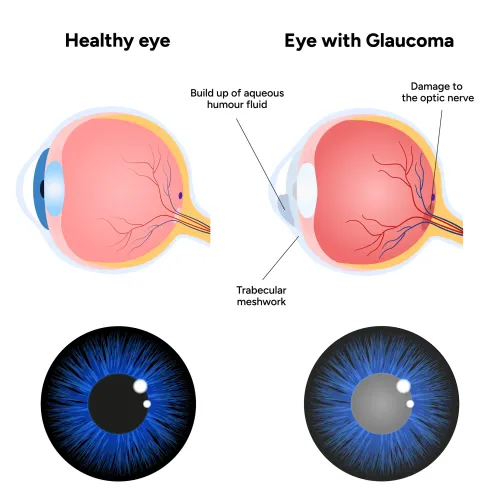

When vision becomes blurred, many people assume they simply need a new spectacle prescription. Sometimes that is exactly the issue. In other situations, reduced vision can be associated with cataract, dry eye, retinal changes, glaucoma, corneal problems, or another eye condition.
This is why choosing an Eye testing centre should involve more than finding a place that can quickly provide spectacle numbers.
Understand What Type of Testing You Need
A basic refraction measures the lens power needed to improve vision. It is an important part of eye care, but it does not answer every question about eye health.
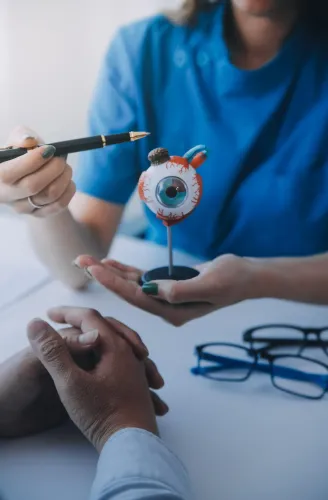
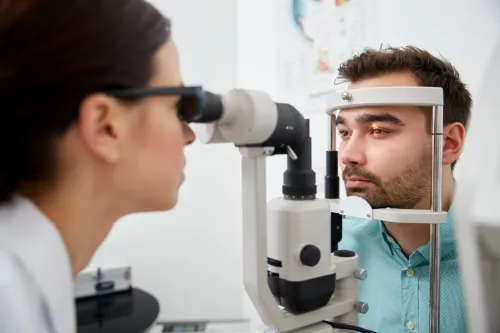
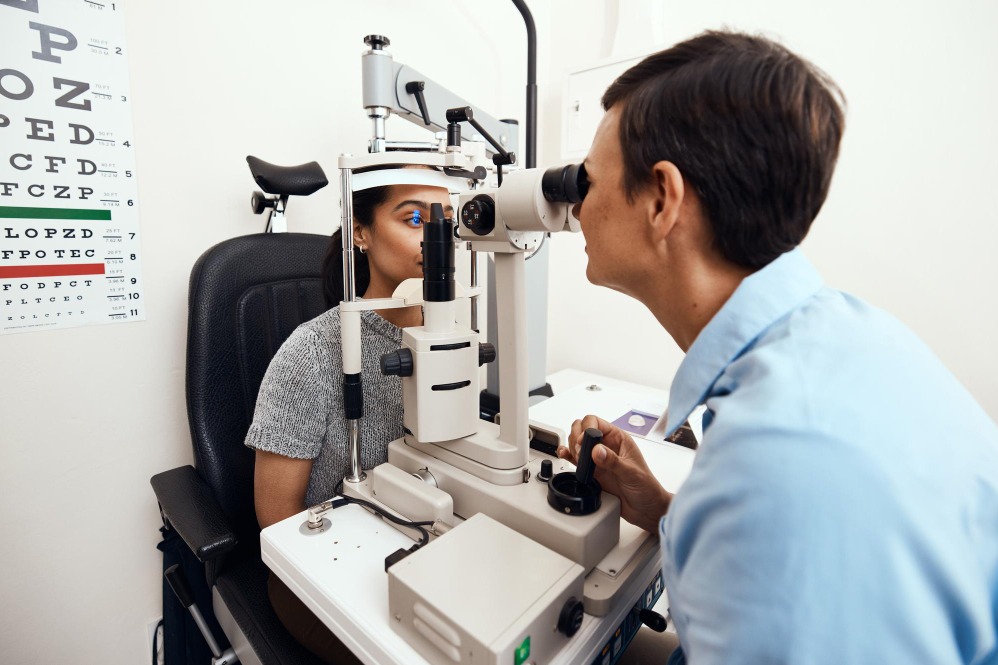
A more comprehensive examination may assess:
- Distance and near vision
- Refractive error
- Eye pressure when indicated
- Eye movements and alignment
- Cornea and anterior eye structures
- Natural lens
- Optic nerve
- Retina
The exact examination should be determined by age, symptoms, risk factors, and previous eye history.
Look for Clinical Evaluation When Symptoms Are Present
If you only need a routine spectacle update and have no concerning symptoms, refraction may address the immediate need.
However, clinical evaluation becomes particularly important when you have unexplained visual loss, persistent eye pain, recurrent redness, flashes, sudden floaters, double vision, significant glare, or a noticeable change in one eye.
People with diabetes, glaucoma risk factors, previous eye surgery, high refractive errors, and certain family histories may also need more than routine vision testing.
Consider Whether Different Age Groups Are Properly Assessed
Eye-care needs change throughout life.
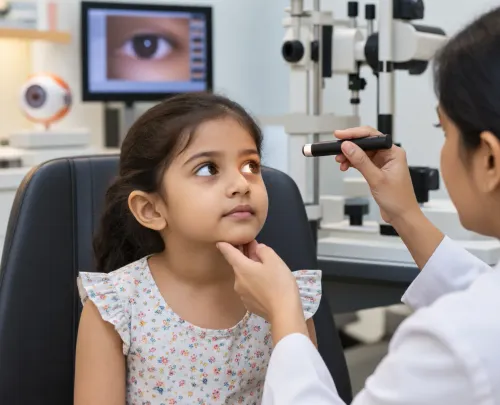
Children may need evaluation for refractive errors, amblyopia, squint, and visual development. Working-age adults frequently seek help for refractive correction, contact lenses, digital-eye discomfort, and refractive surgery assessment.
Older adults may require closer attention to cataract, glaucoma, retinal disease, and other age-associated conditions.
A useful eye-care facility should recognise these differences rather than treating every patient as a routine spectacle case.
Ask What Happens When an Abnormality Is Found
Testing is most useful when there is a clear pathway after an unexpected finding.
For example, elevated eye pressure may need additional glaucoma assessment. Reduced vision that cannot be corrected adequately with spectacles may require examination of the cornea, lens, retina, or optic nerve.
A comprehensive setup allows findings to be interpreted clinically rather than simply recorded.
Do Not Choose on Price Alone
Low-cost testing can be attractive, but price should not be the only consideration when eye health is involved.
Instead, consider:
- Whether qualified eye-care professionals are available
- Whether your symptoms are properly discussed
- Whether appropriate clinical examination is performed
- Whether further tests are available when indicated
- Whether findings are explained clearly
- Whether follow-up is recommended appropriately
These factors are particularly relevant when the purpose of the visit goes beyond purchasing new spectacles.
Prepare for Your Appointment
Bring your current glasses, previous prescriptions, relevant eye reports, and a list of medications when appropriate.
Tell the clinician about diabetes, previous eye surgery, injuries, glaucoma in the family, and any sudden changes in vision.
For residents of Thane and nearby communities in Maharashtra, Focus Eye Clinic provides eye assessment across different age groups and eye-care needs.
Choosing an Eye testing centre should ultimately depend on the quality and scope of the evaluation. A spectacle number tells you how much optical correction improves vision. A comprehensive eye examination can help explain why vision has changed and whether any aspect of eye health requires further attention.