Cataract surgery has evolved considerably, with modern techniques designed to remove the cloudy natural lens through a relatively small incision and replace it with an artificial intraocular lens. Among the techniques commonly used today, Phacoemulsification surgery has become an established approach for many cataract procedures.
Understanding what the technique actually involves can help patients evaluate cataract treatment without being distracted by confusing terminology.
What Happens to the Lens During Cataract Surgery
A cataract occurs when the natural lens inside the eye becomes cloudy. As clouding progresses, people may experience blurred vision, glare, difficulty driving at night, reduced contrast, faded colours, or frequent changes in spectacle power.
Cataract surgery removes the cloudy lens and replaces it with an intraocular lens, commonly known as an IOL.
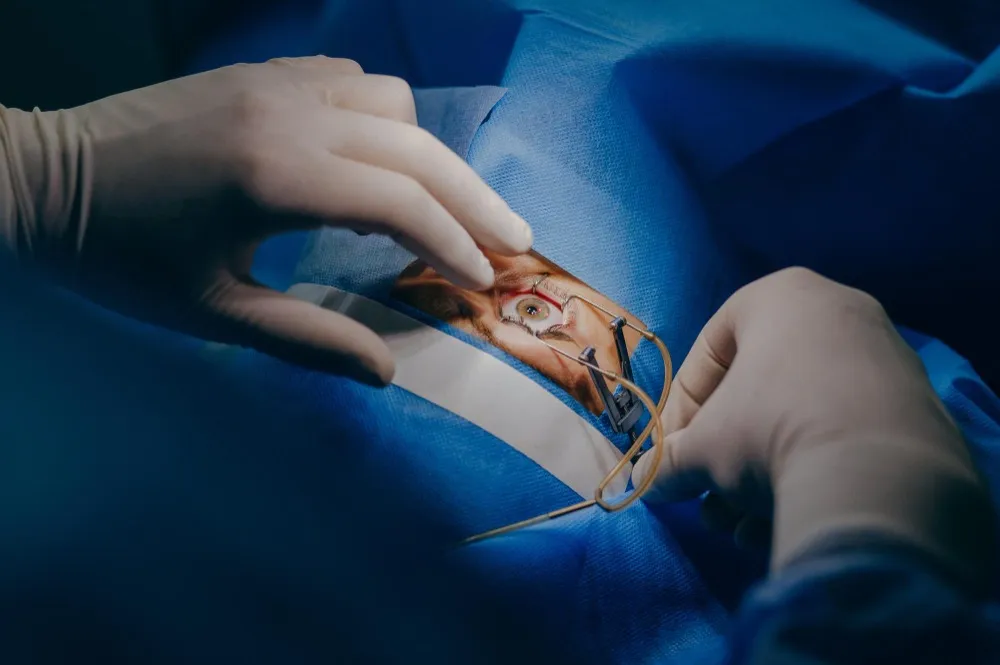
Phacoemulsification uses ultrasound energy to break the cloudy lens material into smaller pieces so that it can be removed through a small incision.
Why the Small Incision Matters
Modern cataract techniques generally use smaller incisions than older surgical approaches.
A smaller incision can support controlled surgery and may reduce the need for larger wound construction. The incision design, surgical technique, lens choice, and individual eye characteristics all influence the procedure and recovery.
Patients should avoid interpreting 'small incision' as meaning that cataract surgery is trivial. It remains an intraocular operation and requires appropriate evaluation, sterile surgical technique, and postoperative care.
Choosing an Intraocular Lens
Removing the cataract is only one part of surgical planning. The replacement lens also needs to be selected.
Different IOL categories may be available depending on the patient's eye health and visual goals.
The discussion can include:
- Monofocal lenses
- Toric lenses for suitable astigmatism
- Selected lenses designed to provide a broader range of vision
No lens can automatically guarantee complete freedom from spectacles. Retinal health, corneal condition, optic nerve function, existing refractive error, and individual visual requirements all influence the decision.
How Does It Compare With Older Techniques
Older cataract operations often required larger incisions. Modern phaco techniques generally allow cataract removal through a smaller surgical opening.
However, the 'newest' option is not automatically the best choice for every eye. Dense cataracts, corneal conditions, previous surgery, pupil characteristics, and other factors may influence surgical planning.
A proper examination is therefore more useful than selecting a technique based only on advertising terminology.
Preparing for the Procedure
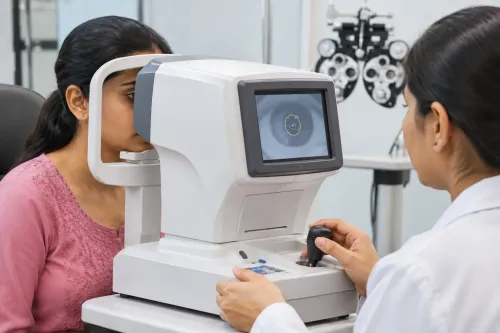
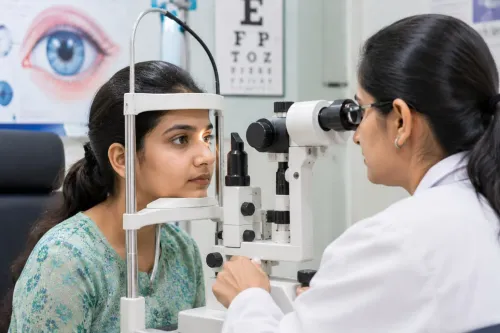
Before surgery, patients typically undergo eye measurements and clinical evaluation.
The ophthalmologist may assess the cataract, cornea, retina, optic nerve, eye pressure, and other relevant structures. Measurements are taken to calculate the power of the intraocular lens.
Patients should also provide an accurate list of medicines and relevant medical conditions.
Recovery Requires Follow-Up
After surgery, prescribed eye drops and protective measures are important. Patients are usually given guidance regarding eye rubbing, water exposure, strenuous activities, and follow-up visits.
Unexpected pain, significant redness, sudden visual reduction, flashes, or a new shower of floaters should be reported promptly.
For people exploring cataract treatment in Thane and surrounding parts of Maharashtra, Focus Eye Clinic can evaluate cataract severity and discuss the surgical approach according to individual findings.
Phacoemulsification surgery represents an important development in modern cataract care, but successful planning involves more than the technology itself. Careful assessment, appropriate IOL selection, surgical technique, and postoperative monitoring all contribute to the overall treatment process.
Keywords