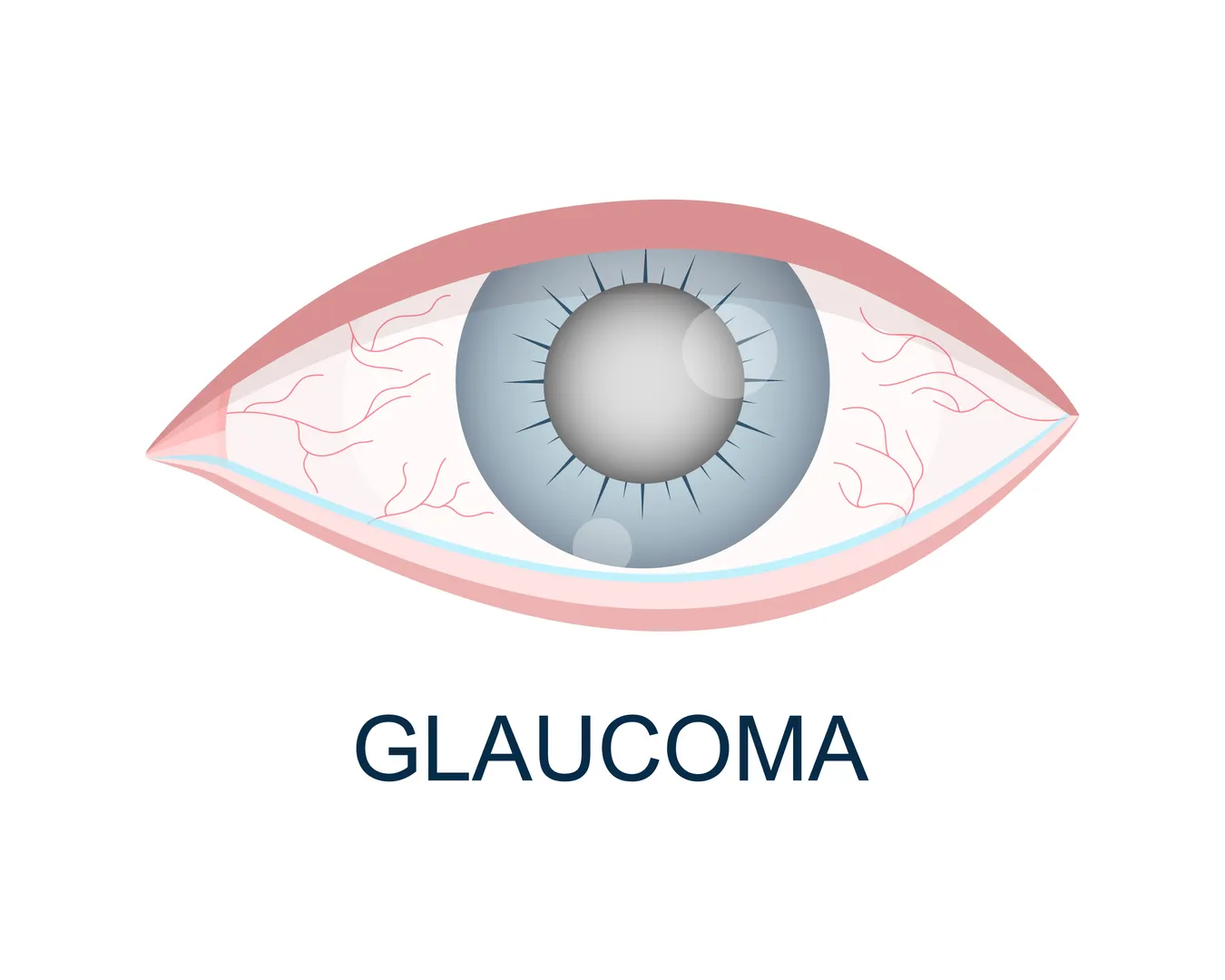
Glaucoma is often associated with high eye pressure, but the condition is more complex than one number on a pressure test. Glaucoma involves progressive damage to the optic nerve, and some people can develop this damage even when their measured eye pressure does not appear unusually high.
Effective Glaucoma Treatment therefore depends on understanding the complete clinical picture rather than treating an isolated test result.
Eye Pressure Is Important but Not the Whole Diagnosis
Intraocular pressure is a major risk factor for glaucoma. However, people respond differently to pressure levels.
Some individuals have higher-than-average pressure without detectable optic nerve damage, while others develop glaucoma at pressure readings that fall within ranges often considered normal.
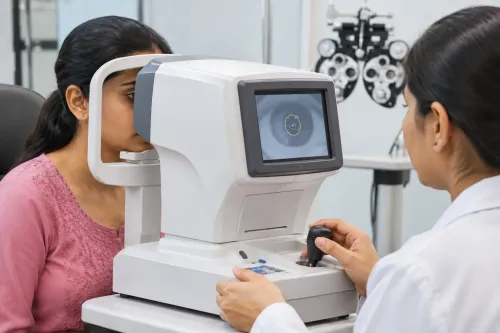
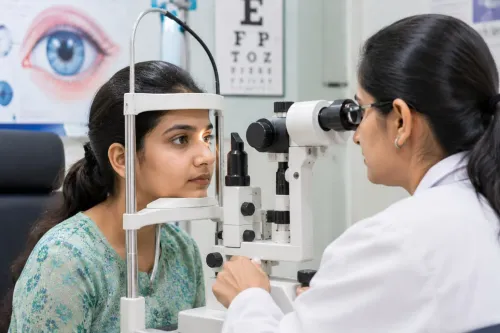
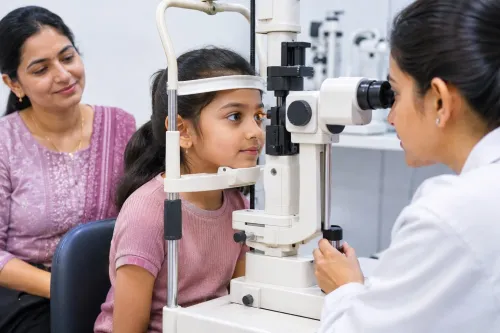
This is why an ophthalmologist may use several tests to establish diagnosis and monitor progression.
What Tests Help Assess Glaucoma
Depending on the patient's situation, assessment may include:
- Intraocular pressure measurement
- Optic nerve examination
- Visual field testing
- Optical coherence tomography
- Corneal thickness measurement
- Examination of the drainage angle
Comparing current findings with previous results can be particularly useful because glaucoma management is strongly influenced by whether structural or functional changes are progressing.
What Is the Goal of Treatment
Existing optic nerve damage from glaucoma generally cannot simply be reversed. Treatment is intended to reduce the risk of additional damage and preserve remaining vision.
Lowering intraocular pressure is a central part of management for many patients.
The pressure considered appropriate is not necessarily identical for everyone. An ophthalmologist may establish an individual target based on factors such as disease severity, baseline pressure, age, optic nerve condition, and evidence of progression.
Treatment Can Take Different Forms
Eye drops are commonly used to lower pressure. Different medications work in different ways, and some patients require more than one medicine.
Laser procedures may be appropriate for certain forms of glaucoma. Surgery can also be considered when pressure remains inadequately controlled, the disease continues to progress, or other clinical factors justify intervention.
The treatment pathway is therefore based on diagnosis and response rather than a universal sequence that applies to every patient.
Why Follow-Up Matters
Glaucoma can progress without producing noticeable symptoms in its earlier stages. Central vision may remain relatively good while peripheral vision is being affected.
A patient who feels that their eyesight is unchanged may therefore still need regular monitoring.
Follow-up appointments allow the ophthalmologist to determine whether:
- Eye pressure remains at the intended level
- Optic nerve appearance has changed
- Visual fields remain stable
- OCT measurements show progression
- Medication is being tolerated
- Treatment needs adjustment
Medication Technique Can Affect Management
Patients using glaucoma drops should understand how and when to apply them. Missed doses and incorrect application can reduce the effectiveness of a treatment plan.
Any side effects should be discussed rather than stopping prescribed medication independently.
Patients in Thane and elsewhere in Maharashtra who require glaucoma assessment can undergo evaluation at Focus Eye Clinic based on their risk factors and previous findings.
Good Glaucoma Treatment is an ongoing process rather than a one-time pressure check. Diagnosis, pressure control, optic nerve monitoring, visual field assessment, treatment adherence, and regular review work together to protect remaining vision as effectively as possible.
Keywords