

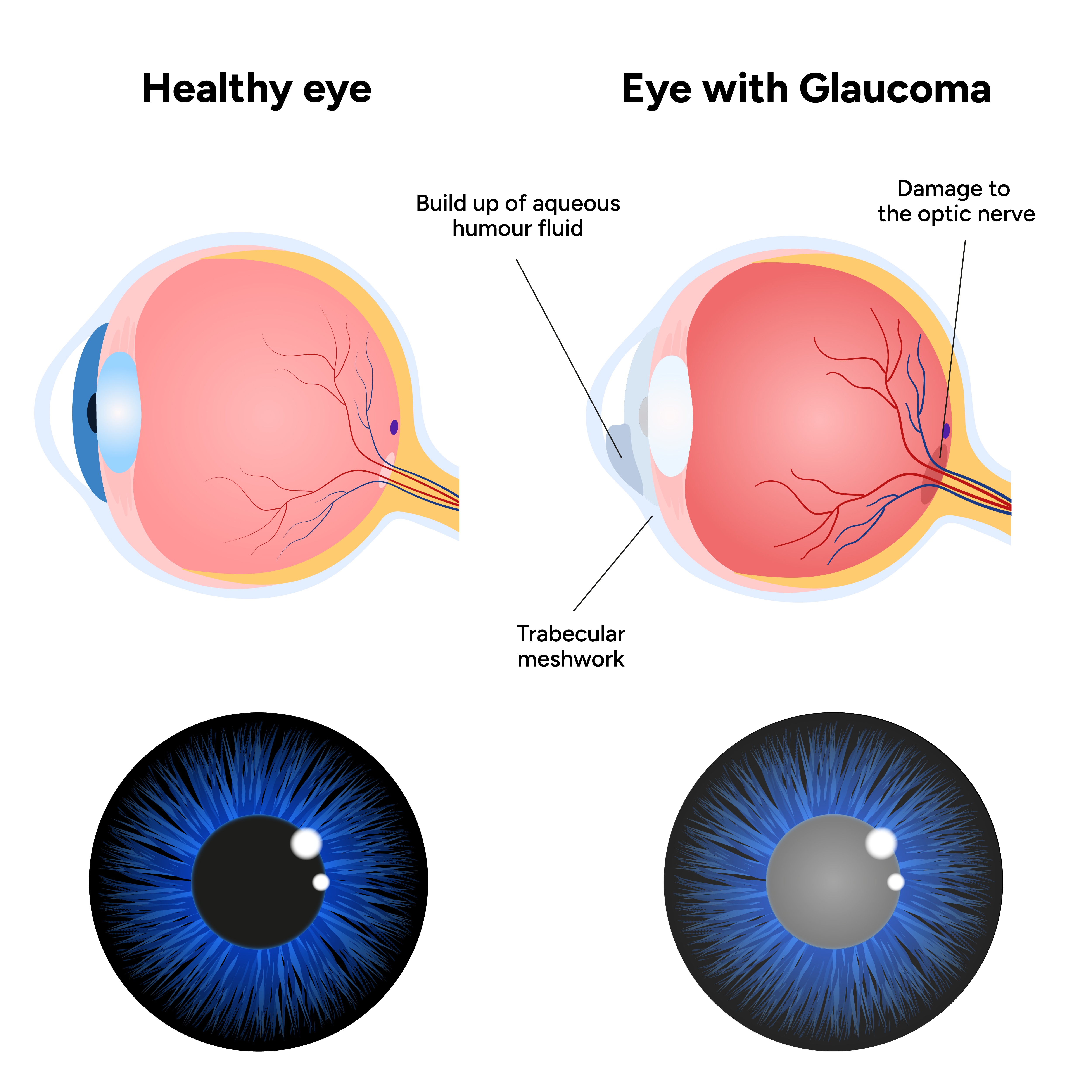
Glaucoma is frequently described as a condition caused by high eye pressure, but that description is incomplete. It is a group of diseases involving damage to the optic nerve, and Glaucoma Treatment is planned according to the overall risk of damage and progression rather than a single pressure reading.
Some people develop glaucoma despite pressure readings that fall within ranges often considered statistically normal. Others may have elevated eye pressure without established optic nerve damage.
Why One Eye Pressure Reading Is Not Enough
Intraocular pressure can fluctuate. A measurement taken during one appointment provides useful information but does not tell the entire story.
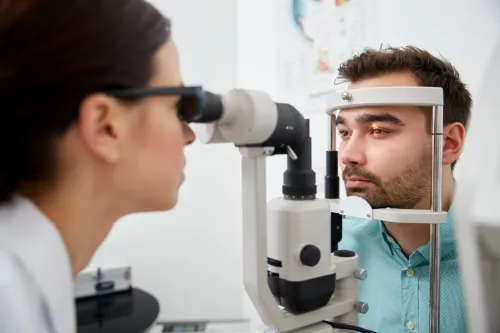
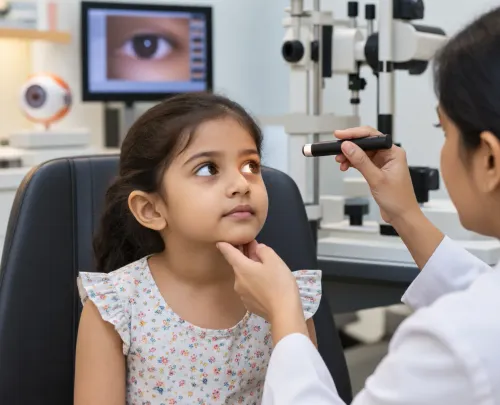
A glaucoma evaluation may consider:
- Optic nerve appearance
- Intraocular pressure
- Corneal thickness
- Visual field findings
- Retinal nerve fibre measurements
- Drainage angle assessment when indicated
- Family history
- Age and other risk factors
The ophthalmologist combines these findings to understand whether glaucoma is present and how closely it should be monitored.
Treatment Is Intended to Reduce Future Damage
Vision already lost from glaucoma is generally not restored by lowering eye pressure. Treatment is therefore focused on reducing the risk of further optic nerve damage.
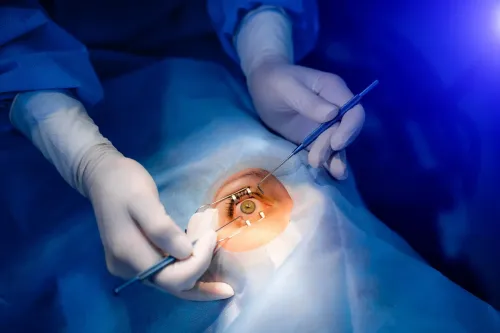
Depending on the type and severity of glaucoma, management can include pressure-lowering eye drops, laser procedures, surgery, and regular monitoring.
The appropriate target pressure is individual. Two patients with the same measured pressure may require different management because their optic nerves, visual fields, disease stage, and other risk factors differ.
Why Follow Up Matters
Glaucoma can progress without causing noticeable symptoms in its early stages. Patients may feel that their eyesight is unchanged and question why regular testing is necessary.
Follow-up examinations allow the ophthalmologist to compare findings over time. Changes in optic nerve imaging or visual fields can influence whether treatment should remain the same or be modified.
Medication technique matters as well. Eye drops work effectively only when they are used as prescribed. Patients should tell their ophthalmologist about difficulty instilling drops, side effects, missed doses, and other medications they use.
At Focus Eye Clinic in Thane, Maharashtra, Dr. Mohini Modak can assess patients with raised eye pressure, known glaucoma, a family history of glaucoma, and other relevant risk factors.
Questions Patients Commonly Ask
Does high eye pressure always mean glaucoma?
No. Elevated pressure increases concern, but diagnosis depends on additional findings.
Can glaucoma occur without symptoms?
Yes. Common forms of glaucoma can develop gradually without obvious early warning signs.
Can I stop my drops when the pressure becomes normal?
A lower reading may indicate that treatment is working. Medication should not be stopped unless the treating ophthalmologist advises a change.
How frequently should glaucoma be checked?
The interval depends on disease severity, treatment, test results, and risk of progression.
Effective glaucoma care is built around monitoring change over time. Understanding the optic nerve, pressure pattern, visual field, and treatment response provides a much stronger basis for management than relying on a single number.