

When the two eyes do not remain properly aligned, one eye may turn inward, outward, upward, or downward. This condition is commonly called squint and medically known as strabismus. Squint Treatment begins with understanding the type of misalignment, when it started, how consistently it occurs, and whether it is affecting vision.
Although squint is often associated with childhood, adults can also develop eye misalignment. The causes and treatment priorities can differ significantly between age groups.
Why Squint in Children Needs Attention
A child's visual system continues developing during the early years of life. When one eye is consistently misaligned, the brain may begin relying more heavily on the other eye.
In some children, this can contribute to amblyopia, commonly called lazy eye. Early assessment therefore looks beyond the visible position of the eyes and examines how well each eye is seeing.
Parents may notice:
- One eye turning inward or outward
- Intermittent eye deviation when the child is tired
- Closing one eye in bright light
- An unusual head position
- Difficulty judging distances
- Frequent bumping into objects
Some children may have no obvious complaint because they do not realise their vision differs from normal.
Squint in Adults Can Have Different Implications
Adult-onset eye misalignment can sometimes cause double vision because the mature visual system is accustomed to using both eyes together.
A new squint in an adult should therefore be assessed rather than treated purely as a cosmetic concern. The ophthalmologist may need to consider eye muscle function, previous eye problems, trauma, neurological factors, and other medical conditions depending on the clinical history.
What an Eye Examination Looks For
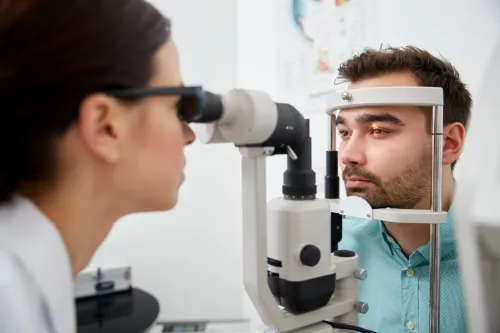
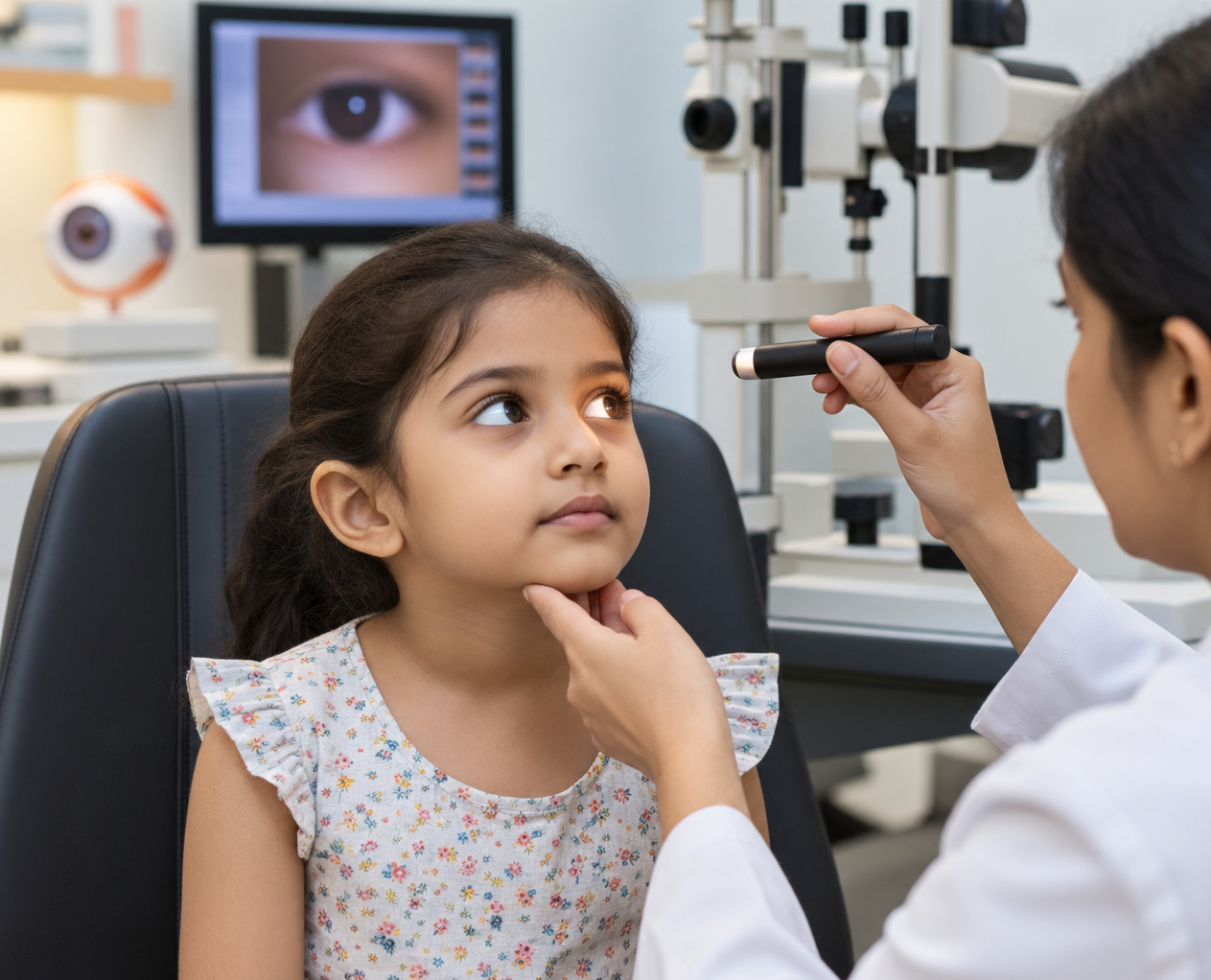
Squint evaluation may involve visual acuity testing, eye alignment measurements, assessment of eye movements, refraction, binocular vision evaluation, and examination of the internal structures of the eye.
Children may also need evaluation for amblyopia.
Treatment is then selected according to the findings. Depending on the condition, management can include spectacles, amblyopia therapy, prisms in selected situations, monitoring, and eye muscle surgery when clinically indicated.
Patients and parents visiting Focus Eye Clinic in Thane, Maharashtra, can consult Dr. Mohini Modak for ophthalmic evaluation when eye alignment appears unusual or visual symptoms raise concern.
Frequently Asked Questions About Squint
Can spectacles correct a squint?
Certain forms of squint are associated with refractive errors and may improve with appropriate spectacles. Other types require different management.
Does every squint require surgery?
No. Treatment depends on the cause, type, severity, visual development, and individual circumstances.
Can adults receive treatment?
Yes. Adult squint can be assessed and managed, although the treatment plan depends on its cause and symptoms.
Should parents wait to see whether a child's squint disappears naturally?
A persistent or recurrent deviation should be evaluated. Waiting without assessment can delay identification of associated visual problems.
Squint management is ultimately about more than straightening the appearance of the eyes. Careful assessment considers alignment, visual development, binocular function, and the underlying reason the eyes are not working together as expected.