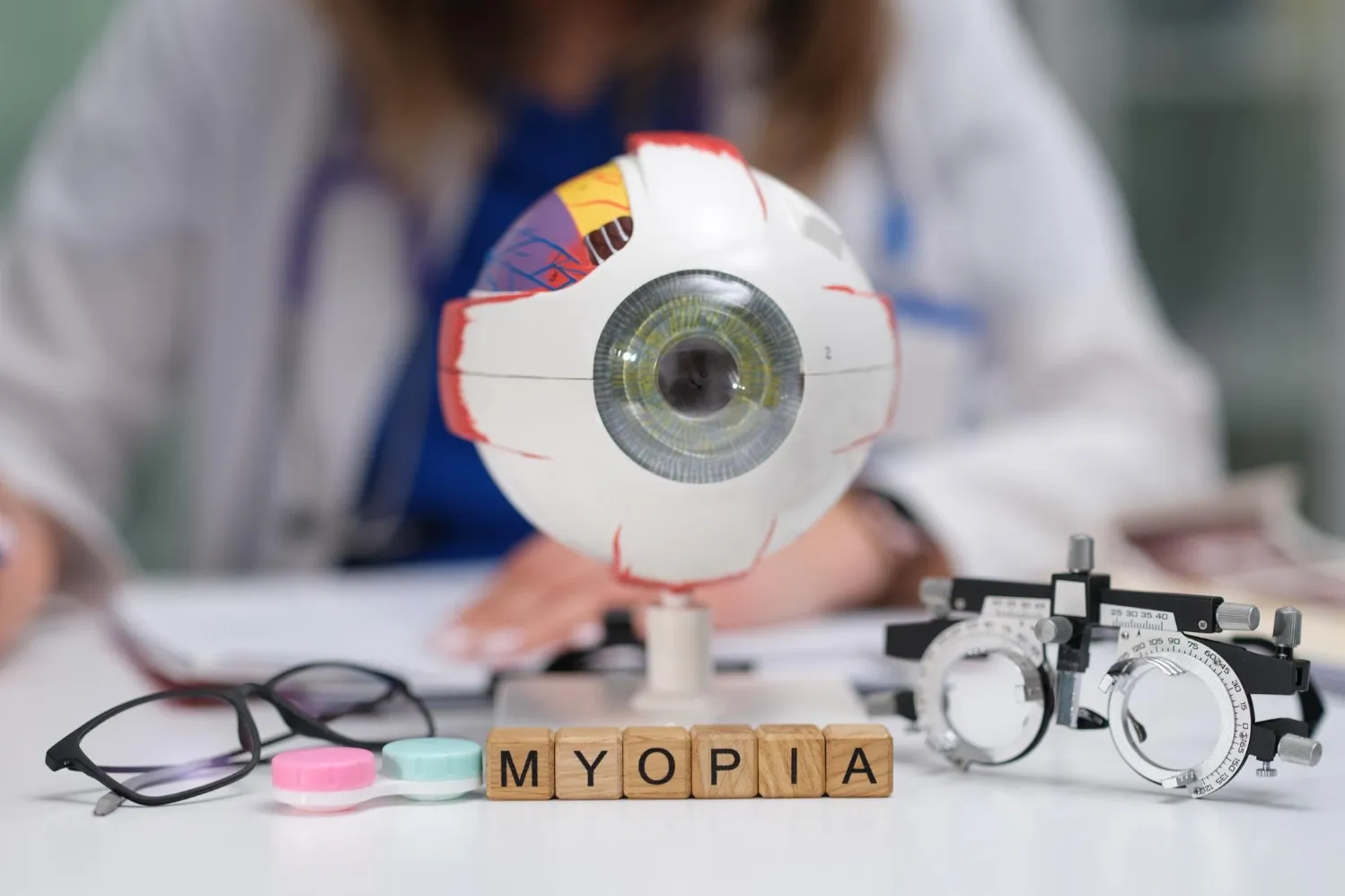
Myopia, commonly called short-sightedness, causes distant objects to appear blurred while closer objects may remain clearer. It often begins during childhood and can progress as a child grows.
For parents, receiving a new spectacle prescription every year can raise an important question. Is correcting blurred vision enough, or should the progression of myopia also be assessed?
A Myopia control centre focuses not only on providing clear vision but also on evaluating how a child's myopia is changing over time and whether specific management strategies may be appropriate.
Understanding Myopia Progression
Myopia frequently develops when the eye grows longer than ideal from front to back. This changes how light focuses within the eye.
Progression differs from child to child. Some prescriptions change relatively slowly, while others increase more noticeably during the school years.
Factors associated with myopia development and progression can include genetics, age of onset, visual habits, and time spent outdoors.
What Myopia Management Involves
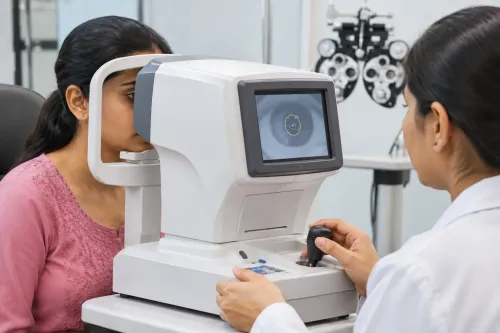
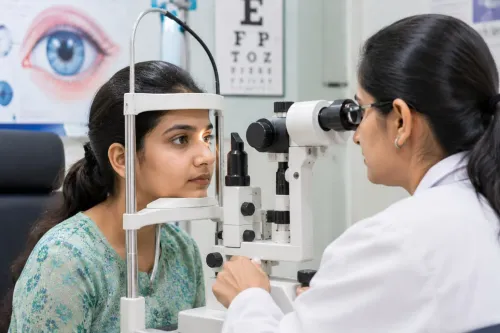
Effective management begins with accurate assessment rather than choosing a treatment solely from the spectacle number.
An eye care professional may review:
- Current refractive error
- Previous spectacle prescriptions
- Age when myopia began
- Family history
- Visual demands
- Eye health
- Lifestyle and outdoor activity
- Rate of prescription change
Selected clinics may also use additional measurements to monitor eye growth when appropriate.
Correcting Vision Is Still Important
Children with myopia need appropriate vision correction so that they can see clearly at school and during everyday activities.
However, conventional spectacle correction and myopia-control strategies do not necessarily serve exactly the same purpose. Glasses correct blur, while specific myopia-management approaches may be considered with the aim of slowing progression in suitable children.
The approach must be individualised.
What Options May Be Discussed
Depending on the child's age, prescription, eye health, and other clinical factors, an ophthalmologist may discuss different evidence-based approaches to myopia management.
These can include particular optical strategies and, in selected cases, low-dose atropine under professional supervision.
No single option is appropriate for every child. Regular monitoring remains important regardless of the strategy selected.
Daily Habits Still Matter
Parents can also encourage healthier visual routines.
Children should have appropriate lighting while studying and take regular breaks from prolonged near work. Balanced use of phones, tablets, computers, and books can reduce extended periods of continuous close focusing.
Spending more time outdoors is also commonly encouraged as part of healthy visual habits in children.
These measures should complement rather than replace professional eye assessment.
When Should Parents Seek Assessment
Consider an eye evaluation when a child:
- Has recently been diagnosed with myopia
- Requires frequent prescription changes
- Developed myopia at a relatively young age
- Has parents with significant myopia
- Complains that classroom writing appears blurred
- Frequently squints to see distant objects
Families in Thane are increasingly aware that childhood myopia deserves ongoing monitoring rather than occasional spectacle changes alone.
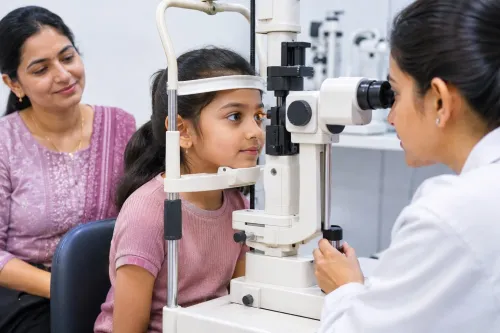
At Focus Eye Clinic, evaluation can help determine whether a child's prescription is stable, progressing, or requires a more structured monitoring plan.
A Myopia control centre provides the greatest value when assessment begins early enough to establish how vision is changing. Parents can then make informed decisions based on the child's actual progression rather than relying only on whether the current spectacles still seem adequate.
Keywords