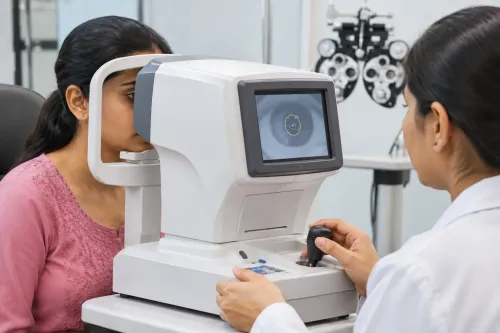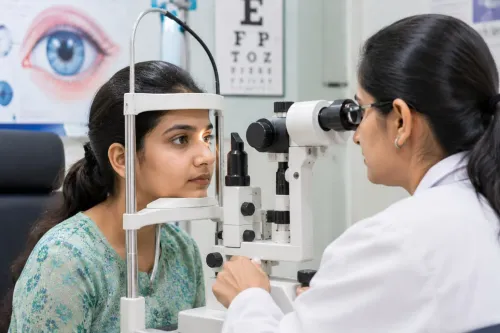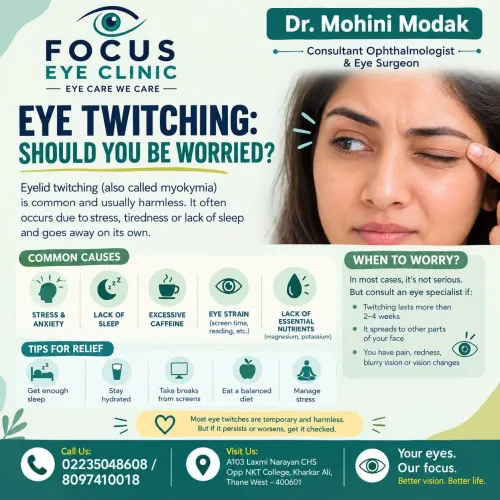

People often search for an Eye Care Centre after a specific problem appears, such as blurred vision, cataract symptoms, dry eyes, increasing spectacle power, floaters, or difficulty using contact lenses. Yet choosing an ophthalmology clinic becomes easier when you know what information matters before booking an appointment.
The right provider should be able to evaluate the problem accurately, explain the findings clearly, and recommend care according to individual clinical needs.
Start with the type of eye problem you have
Different symptoms can require very different assessments.
Routine blurred vision may be related to refractive error, while gradual cloudy vision and glare could indicate cataract. Persistent dryness may require ocular-surface assessment, whereas sudden flashes and floaters can call for retinal evaluation.
Before choosing a clinic, consider whether it provides assessment relevant to your concern rather than relying solely on general vision testing.
Look for comprehensive ophthalmology evaluation
A clinic serving patients with varied eye conditions should be equipped to determine when routine testing is sufficient and when more detailed evaluation is required.
Depending on clinical need, this may include assessment for:
- Refractive errors
- Cataracts
- Glaucoma
- Retinal conditions
- Dry eye
- Contact lens requirements
- Squint and eye alignment problems
- Digital eye strain
- Refractive surgery suitability
Having access to broader ophthalmic assessment can be particularly helpful when symptoms have more than one possible cause.
Consider the ophthalmologist's approach
A consultation should give patients an opportunity to understand what has been found.
Dr. Mohini Modak at Focus Eye Clinic provides ophthalmology care in Thane for patients seeking routine examinations as well as evaluation of conditions involving different parts of the eye.
When meeting an ophthalmologist, useful questions include:
- What is causing my current symptom?
- Do I need additional investigations?
- Is treatment required immediately?
- Are there different management options?
- What changes should prompt an earlier review?
- How frequently should follow-up be scheduled?
Clear answers can make medical decisions easier, particularly when surgery or long-term monitoring is being considered.
Check whether treatment decisions are individualised
Two patients with the same broad diagnosis may not need identical management.
A mild cataract that does not significantly affect daily activities may be monitored, while another cataract may interfere substantially with driving or reading. Glaucoma management depends on pressure, optic nerve findings, progression, and risk factors. Dry eye treatment varies according to its underlying mechanism.
Individual assessment is therefore an important indicator when selecting an eye care provider.
Think about continuity of care
Eye health changes over time.
Patients with glaucoma may need periodic pressure and optic nerve monitoring. People with diabetes may require scheduled retinal examinations. Cataract care includes assessment, surgical planning when appropriate, and postoperative follow-up. Contact lens wearers can also benefit from periodic eye-health reviews.
For families in Thane and nearby areas of Maharashtra, having an ophthalmology clinic that can support routine examinations as well as ongoing monitoring can make continuity easier.
Know when not to wait for a routine appointment
Some symptoms require quicker evaluation.
Sudden vision loss, severe eye pain, eye injury, new flashes with numerous floaters, a curtain-like shadow across vision, or sudden-onset double vision should be treated as potentially urgent eye complaints.
Choosing an eye care centre is therefore not simply about finding a nearby clinic. It involves considering the range of ophthalmology services, quality of assessment, communication, follow-up planning, and whether treatment recommendations are based on the individual patient's findings.
A well-informed first consultation can provide the foundation for both immediate treatment decisions and sensible long-term eye care.
Keywords