Cataracts are one of the leading causes of vision impairment, especially among adults over the age of 50. The condition develops gradually as the natural lens of the eye becomes cloudy, making everyday activities such as reading, driving, and recognizing faces more difficult. Fortunately, modern Cataract Surgery in Thane has become a highly successful procedure that restores clear vision for most patients.
Although cataracts are commonly linked to ageing, they may also develop due to diabetes, prolonged steroid use, eye injuries, excessive UV exposure, or certain inherited conditions. Early diagnosis allows an eye specialist to monitor the progression and recommend surgery at the right time rather than waiting until vision becomes severely affected.
Common Symptoms That Should Not Be Ignored
You may need an eye examination if you experience:
- Blurred or cloudy vision
- Difficulty seeing at night
- Frequent changes in spectacle power
- Increased sensitivity to bright lights
- Halos around headlights
- Faded or yellowish colours
- Double vision in one eye
Many people initially assume these symptoms are part of normal ageing, but a comprehensive eye examination can identify whether cataracts are the underlying cause.
When Is Surgery Recommended?
Cataract surgery is generally advised when vision problems begin interfering with daily life. There is no need to wait until the cataract becomes 'mature.' Modern surgical techniques allow treatment at earlier stages, helping patients regain visual comfort sooner.
Your ophthalmologist evaluates factors such as:
- Vision quality
- Cataract severity
- Overall eye health
- Lifestyle requirements
- Presence of diabetes, glaucoma, or retinal disorders
How Modern Cataract Surgery Works
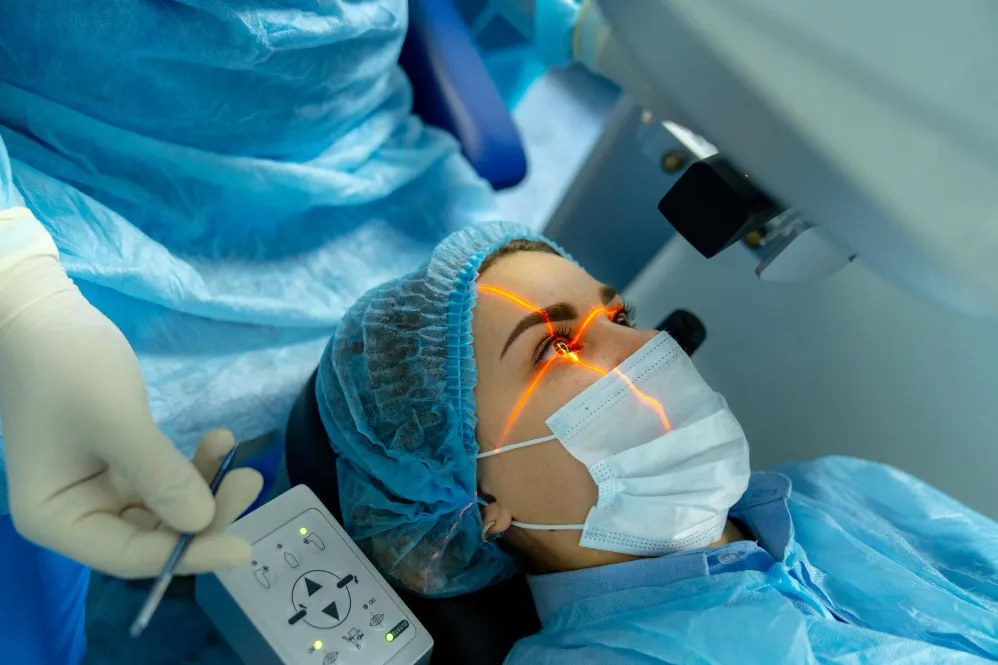
Today's cataract surgery is a minimally invasive day-care procedure. The cloudy natural lens is removed through a tiny incision and replaced with a clear artificial intraocular lens (IOL).
The procedure usually takes around 15–20 minutes for each eye and is performed under local anaesthesia. Most patients return home the same day and notice gradual improvement in vision within a few days.
Choosing the Right Lens
The type of intraocular lens depends on your visual needs. Options may include:
- Monofocal lenses
- Multifocal lenses
- Toric lenses for astigmatism
- Extended depth-of-focus lenses
Your eye surgeon will recommend the most suitable option after detailed measurements.
Recovery After Surgery
Recovery is generally smooth when postoperative instructions are followed carefully.
Patients are usually advised to:
- Use prescribed eye drops regularly
- Avoid rubbing the eye
- Wear protective glasses outdoors
- Skip swimming for a few weeks
- Attend scheduled follow-up visits
Most people resume routine activities within a few days while complete healing continues over several weeks.
Why Timely Treatment Matters in Thane
With an increasing elderly population across Thane and Maharashtra, regular eye checkups play an important role in detecting cataracts before they significantly affect quality of life. Individuals managing diabetes or hypertension should be especially vigilant about routine eye examinations.
At Focus Eye Clinic, Dr. Mohini Modak evaluates every patient thoroughly before recommending surgery, ensuring treatment plans are tailored to individual visual requirements rather than following a one-size-fits-all approach.
If cloudy vision is beginning to interfere with your daily routine, scheduling a professional eye evaluation can help determine whether cataract surgery is the right next step and support clearer, healthier vision for years to come.
Keywords