Diabetes can affect the eyes before a person notices any change in vision. That makes a Diabetic Eye Checkup different from an appointment made only because eyesight has become blurry. Its purpose is to look for diabetes-related changes in the retina and other ocular structures, including changes that may initially be silent.
For people living with diabetes, clear vision today does not necessarily confirm that the retina is unaffected.
How Diabetes Can Affect the Retina
Persistently elevated blood glucose can damage small blood vessels throughout the body, including those supplying the retina.
Diabetic retinopathy can involve leaking blood vessels, retinal swelling, abnormal vessel growth, and other changes. The stage and severity vary from one patient to another.
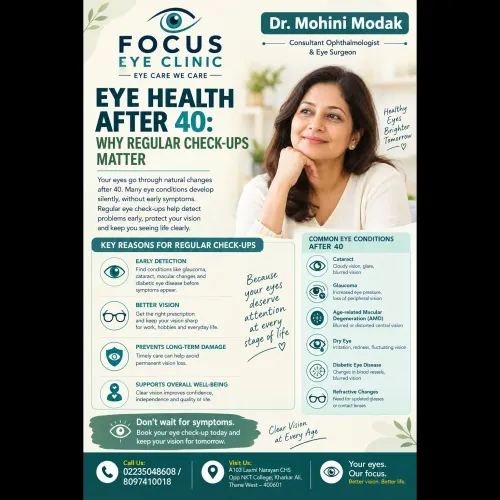
Diabetes can also be associated with other eye problems, which makes comprehensive ophthalmic care relevant rather than focusing only on spectacle power.
Why Symptoms Are Not a Reliable Screening Method
Early diabetic retinal changes may not noticeably affect vision.
Waiting until vision deteriorates can therefore delay detection. When symptoms do occur, they may include blurred vision, floaters, fluctuating vision, dark areas, or more significant visual loss depending on the underlying problem.
A scheduled retinal examination is intended to identify changes based on clinical findings rather than symptoms alone.
What May Happen During a Diabetic Eye Checkup
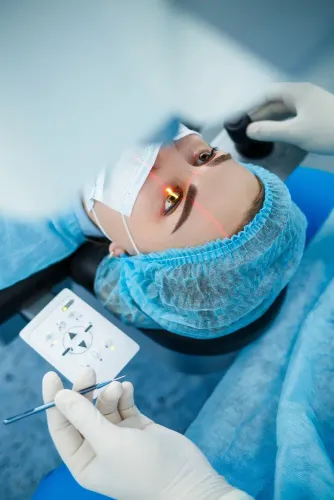
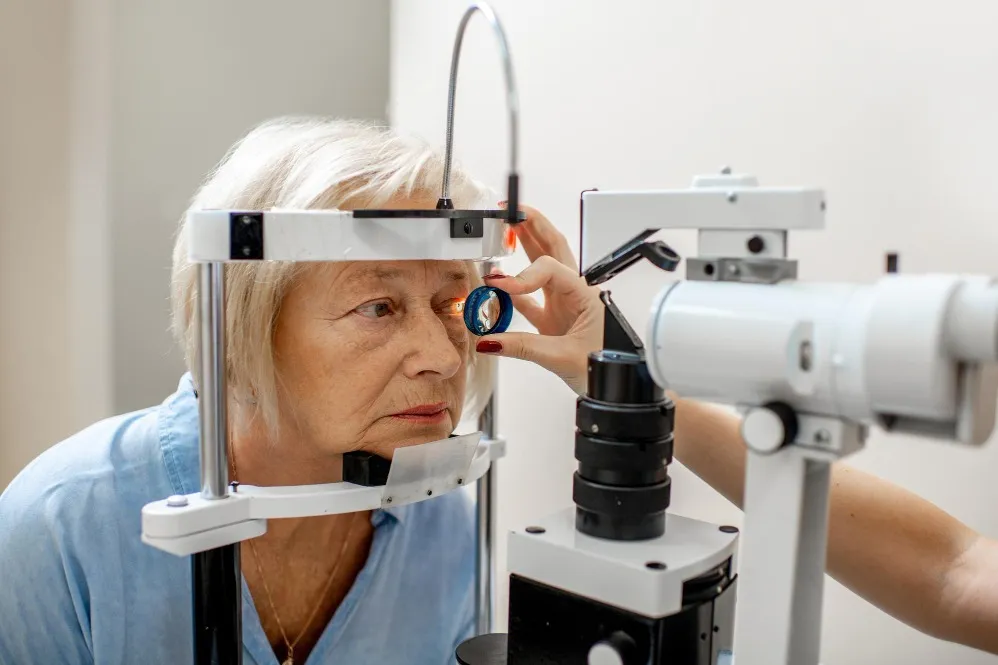
The examination may include vision testing and assessment of the front and back of the eyes. Pupil dilation is commonly used when a detailed retinal view is required.
Depending on what the ophthalmologist sees, retinal photographs, optical coherence tomography, or other investigations may be advised.
These tests can help document retinal findings and support treatment or monitoring decisions.
How Often Should Someone With Diabetes Have an Eye Examination
The appropriate interval is not identical for everyone.
The type and duration of diabetes, pregnancy, previous retinal findings, blood glucose control, blood pressure, kidney health, and other clinical factors can influence monitoring frequency.
Patients should therefore follow an examination schedule based on their individual medical and retinal findings rather than relying on a generic timetable.
People with diabetes in Thane and nearby parts of Maharashtra can consult Focus Eye Clinic, where Dr. Mohini Modak can perform ophthalmic assessment and advise on retinal monitoring based on the patient's findings.
What Patients Can Do Between Eye Visits
Eye care is closely connected with overall diabetes management. Following the medical team's recommendations for blood glucose, blood pressure, and other cardiovascular risk factors can contribute to reducing the risk of diabetic complications.
Patients should also report new visual symptoms rather than waiting for the next routine appointment.
Sudden vision loss, a marked increase in floaters, a dark curtain-like area, or other abrupt visual changes require prompt ophthalmic assessment.
Frequently Asked Questions About Diabetic Eye Screening
My diabetes is controlled. Do I still need retinal checks?
Regular eye assessment can still be appropriate because screening recommendations depend on more than a single glucose reading.
Can diabetic retinopathy exist without blurred vision?
Yes. Early stages may cause no noticeable visual symptoms.
Is checking spectacle power the same as checking for diabetic retinopathy?
No. A spectacle test assesses refractive correction. Diabetic retinal evaluation examines the health of the retina.
Does finding diabetic retinopathy always mean treatment is immediately required?
Not necessarily. Management depends on the type and severity of retinal changes. Some findings require monitoring, while others may require treatment.
A diabetic eye examination is most valuable before vision problems become obvious. Regular retinal assessment gives the ophthalmologist an opportunity to identify changes, monitor progression, and determine when additional investigation or treatment is appropriate.
Keywords