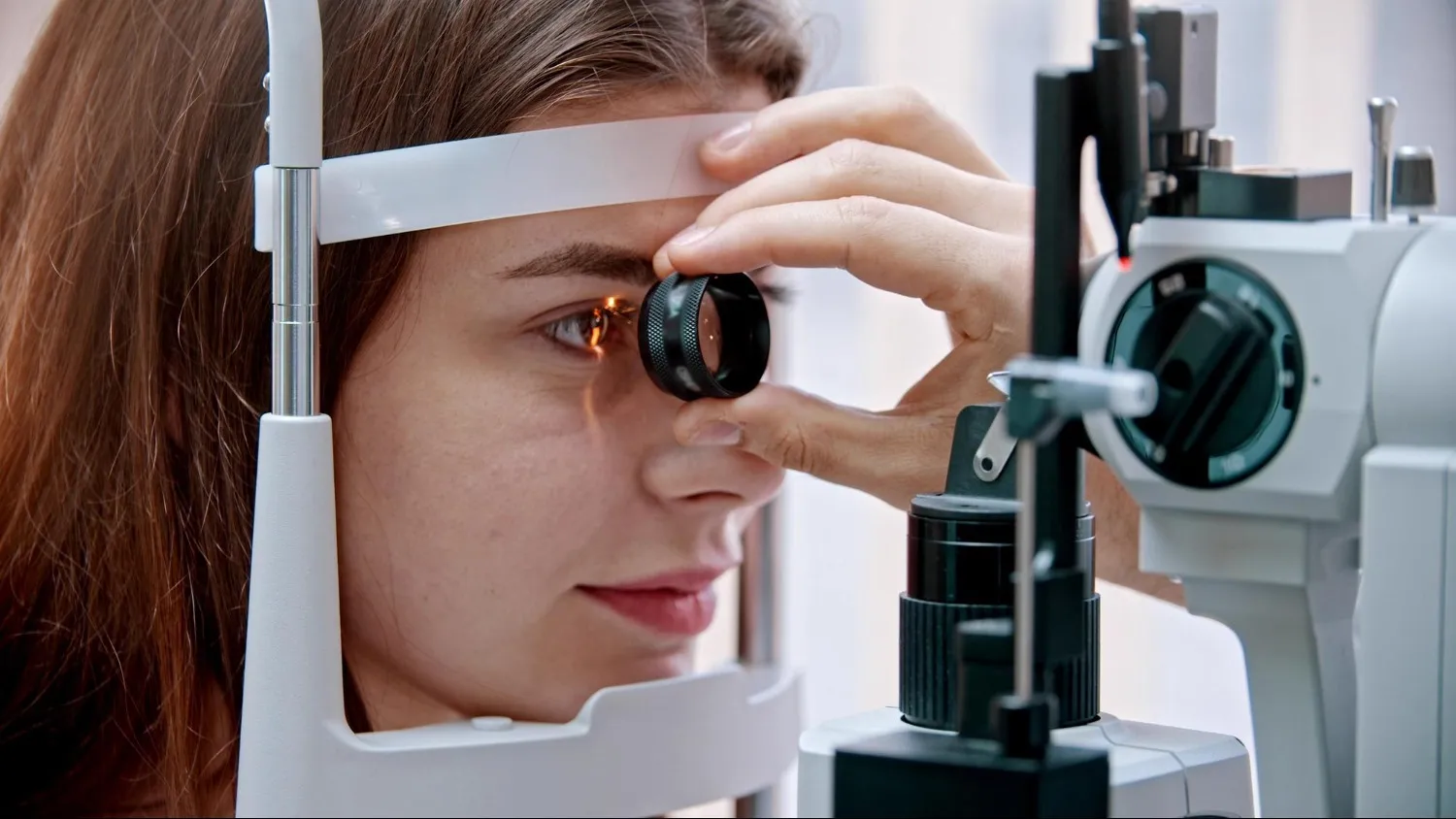
The retina is the light-sensitive tissue at the back of the eye. Because it plays a central role in vision, changes affecting the retina can influence sight even when the front of the eye appears normal.
A Retinal Check Up may therefore be recommended for people with particular symptoms, medical conditions, or risk factors.
Symptoms that deserve retinal evaluation
Some retinal problems can produce sudden visual changes. Others progress more gradually.
Symptoms that may require assessment include:
- New flashes of light
- A sudden increase in floaters
- A shadow or curtain across vision
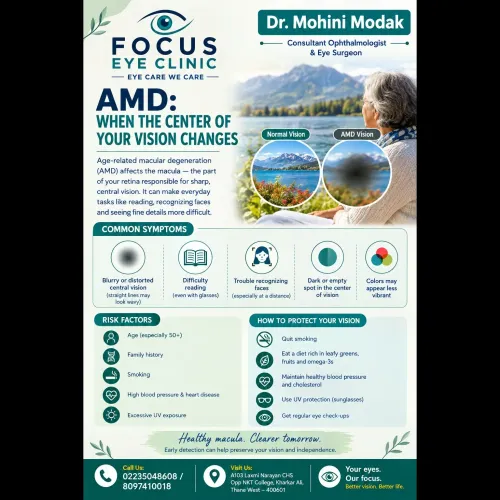
- Distorted central vision
- Unexplained reduction in eyesight
- Dark or missing areas in the visual field
- Changes in vision associated with diabetes
Sudden flashes, multiple new floaters, or a curtain-like shadow should not simply be observed at home because these symptoms can occur with retinal tears or retinal detachment.
Why diabetes makes retinal examinations important
Diabetes can affect small blood vessels throughout the body, including those in the retina.
Diabetic retinopathy may initially develop without noticeable symptoms. As changes progress, leakage, swelling, bleeding, or abnormal blood vessel formation may affect vision.
This is one reason people with diabetes may be advised to undergo periodic dilated retinal examinations even when their eyesight seems satisfactory.
What happens during retinal evaluation
An ophthalmologist may use dilating eye drops to widen the pupil and obtain a clearer view of the retina.
Depending on the findings, additional investigations may be recommended. These can include retinal photography or optical coherence tomography, commonly called OCT, which provides cross-sectional images of retinal structures.
Not every patient needs every test. Investigations should be selected according to symptoms and clinical findings.
Floaters are common but changes matter
Many people notice occasional small spots, threads, or cobweb-like shapes moving through their vision. These are commonly called floaters.
Long-standing stable floaters can occur because of normal changes inside the eye. A sudden shower of new floaters, particularly when accompanied by flashes or reduced peripheral vision, deserves prompt assessment.
The distinction between an uncomplicated floater and a retinal problem cannot always be made based on symptoms alone.
Who may benefit from closer monitoring
Retinal assessment may be particularly relevant for people with:
- Diabetes
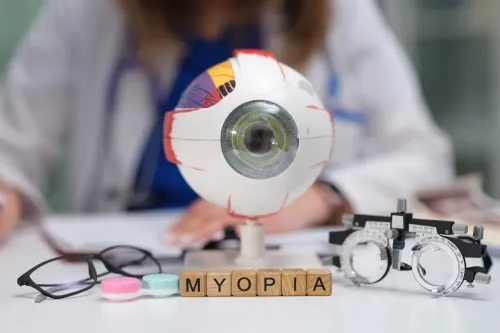
- High myopia
- Previous retinal problems
- Previous eye trauma
- A family history of certain retinal conditions
- Sudden unexplained visual symptoms
- Age-related changes affecting central vision
Dr. Mohini Modak at Focus Eye Clinic can examine retinal concerns and determine whether further imaging or specialist management is appropriate.
For patients in Thane and surrounding areas of Maharashtra, retinal evaluation is especially valuable when systemic conditions such as diabetes are present.
The key is to pay attention to changes rather than waiting for severe vision loss. Sudden visual disturbances and progressive distortion are not symptoms to postpone. A retinal examination helps establish whether the symptoms are related to normal age-associated changes or a condition requiring closer observation or treatment.
Keywords