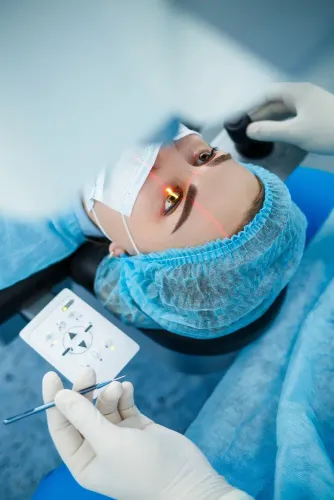
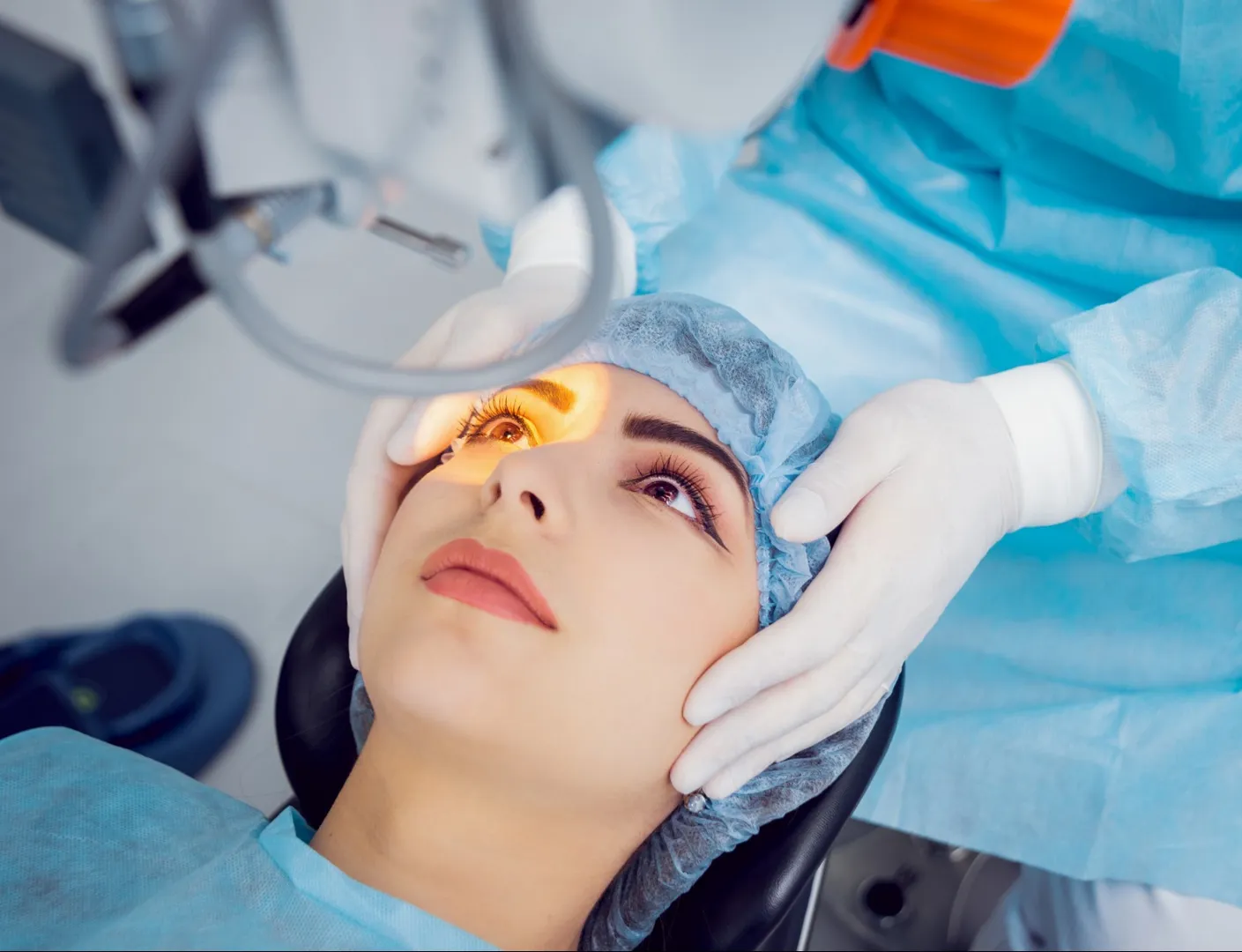
Freedom from spectacles can be appealing, but refractive surgery should begin with suitability assessment rather than an assumption that every spectacle wearer is a candidate. LASIK Surgery reshapes the cornea to change the way light is focused inside the eye, and the decision requires careful examination of both vision and ocular health.
The prescription alone is not enough to establish suitability.
A Stable Spectacle Number Matters
One important consideration is whether the refractive prescription has remained sufficiently stable. Significant ongoing changes can affect the predictability of the intended correction.
Age, prescription range, corneal characteristics, lifestyle, pregnancy-related changes, medications, and certain eye conditions can also influence whether LASIK is appropriate.
Corneal Assessment Is Essential
LASIK involves the cornea, so its shape and thickness require careful evaluation.
Preoperative assessment may include refraction, corneal measurements, eye surface evaluation, pupil assessment, and examination of the rest of the eye. Additional tests may be recommended depending on the patient's findings.
If the cornea has characteristics that make LASIK unsuitable, the ophthalmologist may discuss other refractive options when appropriate rather than proceeding simply because the patient wants spectacle independence.
Dry Eye Symptoms Should Be Discussed
Patients who already experience burning, fluctuating vision, grittiness, or discomfort should mention these symptoms during consultation.
The health of the ocular surface can influence preoperative measurements and postoperative comfort. Dry eye may therefore need assessment and management as part of refractive surgery planning.
Expectations Need to Be Practical
LASIK is designed to reduce dependence on glasses or contact lenses, but patients should understand that individual results vary. Some people may still require spectacles for specific tasks.
Age-related near-vision changes can also develop later in life. LASIK does not prevent the natural ageing process of the eye.
Patients considering refractive correction in Thane, Maharashtra, can visit Focus Eye Clinic for assessment with Dr. Mohini Modak. The consultation can help establish whether the eyes are suitable for LASIK and whether another approach should be considered.
Useful Questions to Ask at a LASIK Consultation
Before deciding, patients can ask:
- Is my prescription stable enough?
- Are my corneas suitable?
- Is my eye surface healthy?
- What visual result is realistically expected?
- What are the relevant risks in my case?
- What follow-up is required?
- Could I still need spectacles afterward?
Frequently Asked Questions About LASIK
Can anyone with spectacles undergo LASIK?
No. Suitability depends on multiple clinical factors.
Does LASIK prevent future spectacle requirements forever?
Not necessarily. Eyes can change with age, and reading glasses may eventually become necessary due to presbyopia.
Can contact-lens users have a LASIK assessment?
Yes, although contact lenses can temporarily affect corneal measurements. The clinic may provide instructions about stopping lens wear before specific assessments.
The most useful LASIK consultation is therefore not one that simply confirms a patient's preferred procedure. It is one that evaluates candidacy carefully, explains alternatives when relevant, and establishes realistic expectations before a decision is made.
Keywords